NEWS

A total of 20 male and 20 female will participate in the Combined Sport Climbing in Tokyo 2020. 1 + 1 is guaranteed the Host Nation and 1 + 1 Tripartite Commission. There is also a maximum of 2 athletes per nation. Qualification events are listed in hierarchical order 6 - Top ranked on the Combined World Champion in Tokyo 2019 1 - Overall World Cup Winner (OWC) 2019 6 - Qualifying event in Toulouse for Top-20 from OWC 2019 5 - Continental Championship 2020 In practice this means that the highest ranked male and female Japanese in the Combined World Champion in Tokyo will get the only qualification spot for Japan. Later the remaining team, can only hope to be the chosen one. There is no guarantee to qualify even if he/she win all events, after being second Japanese in the Combined World Champion. If the, especially male, Japanese domination will continue it is likely that all non-Japanese Top-20 in the Combined World Cup will make it to Tokyo even if they are dead last in the Qualification event. However, it might be that no athletes from Japan and another countries that did fill their quota in the WCH in Tokyo, will be allowed to compete in Toulouse. This means that it might be good enough to be Top-25 in the OWC in order to be allowed to do the qualifying event. The result in the Combined World Cup is based on multiplication on your two best relative ranked result in all three disciplines. In other words, this means that there are almost no chance what so ever for the Speed specialists to make it happen. Further more, countries with high ranked Speed climbers can let they participate also in two Lead and one Boulder WC. Later based on the calculation result, they can decide to let that Speed specialist be included in the Combined relative ranking, if other athletes from their country benefit from it.

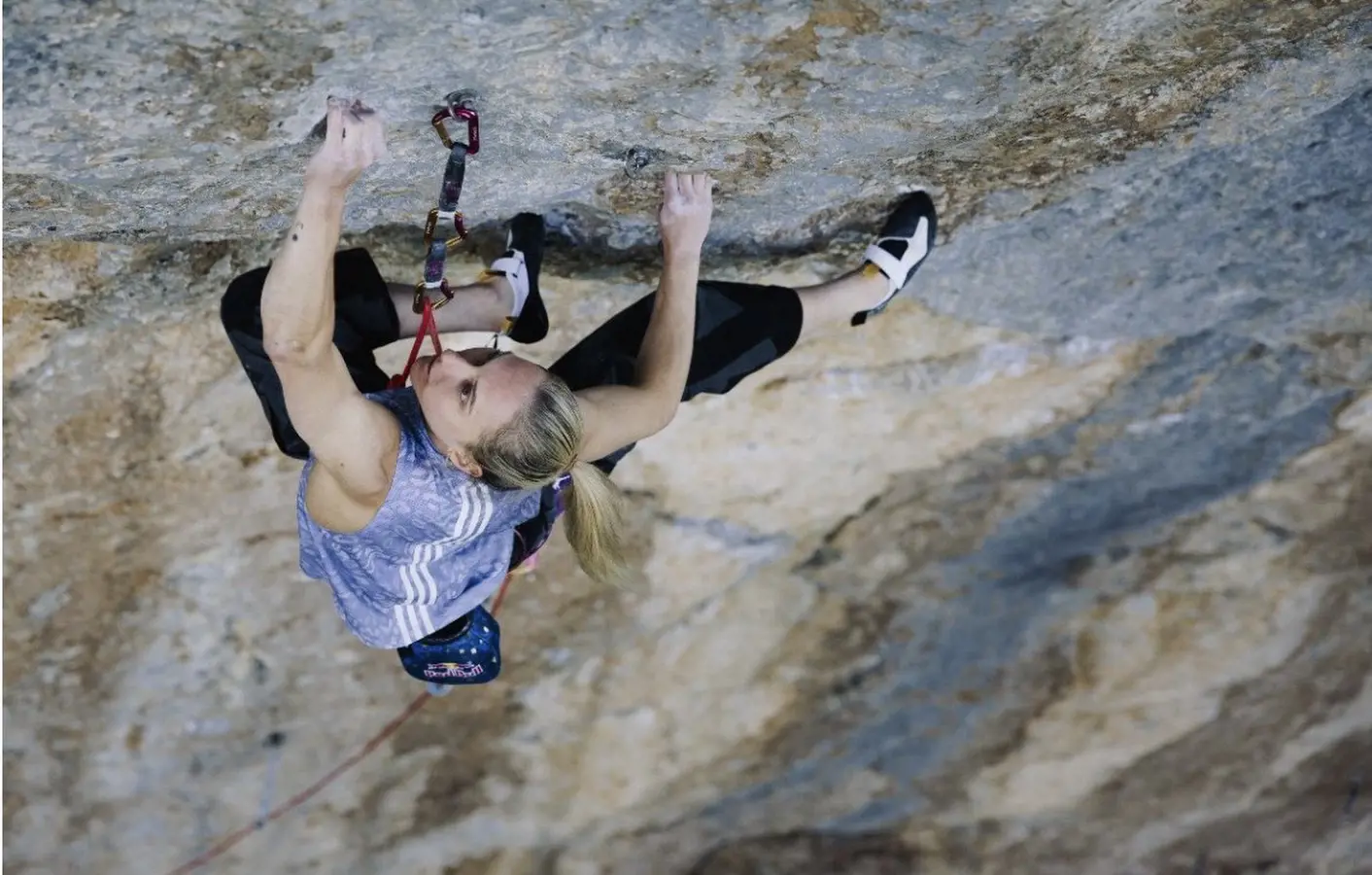
Gancho perfecto 9a by Piotr Schab
Piotr Schab has done his 16th 9a, Gancho perfecto in Margalef. In the 8a ranking game, the Pole is #2 after Adam Ondra also including four 9a+' just the last five months. (c) Lena Drapella "Wow Iโ€™ve been dreaming about this route since I saw the โ€žProgressionโ€ movie for the first time. Came very close in my 5th try, then fall another few times in the very last moves to finally send it with ease."

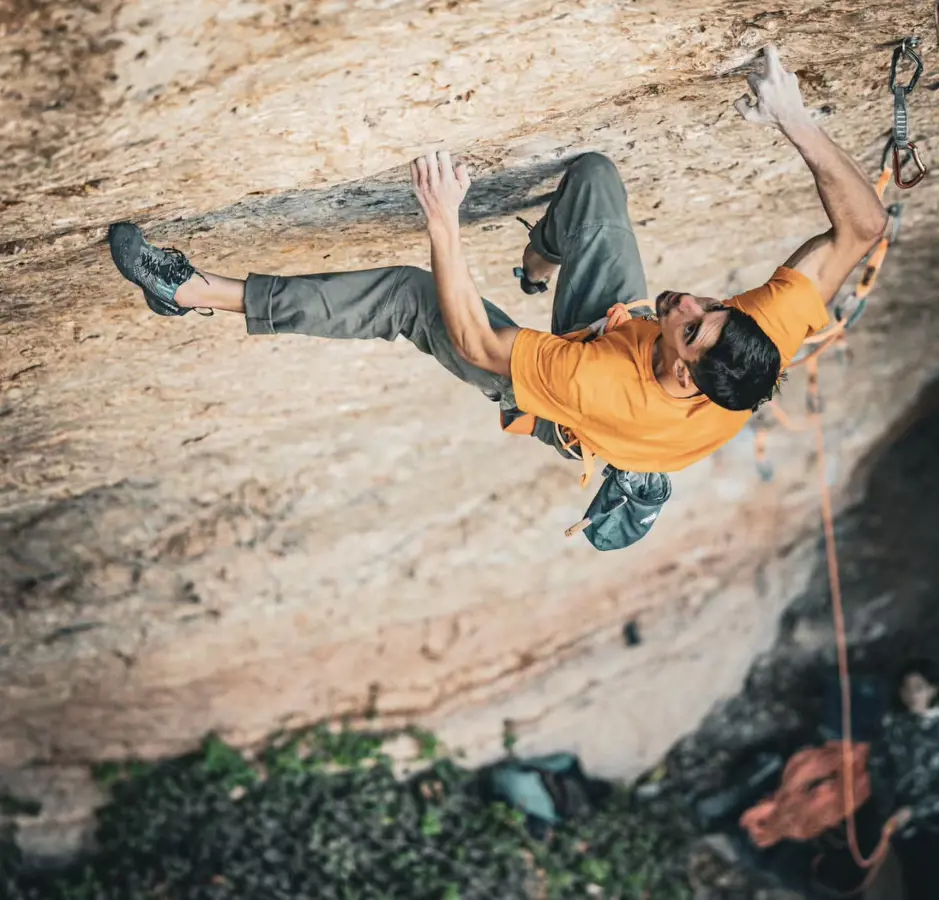
Thor's Hammer 9a (+) in Flatanger by Josh Cornah
Josh Cornah has done the 60 meter Thor's Hammer 9a (+) in Flatanger. (c) Henning Wang who the day after did Nordic Plumber 8c. "It took about two months of effort. A lot of mental effort, especially for the the top half which I punted off of two times. Once from the very top. Eventually I found a key bit of beta in the last week of my trip, which helped a lot. Also the bottom seeps a lot, varying day to day. It never dried completely but some days it was un-climbable for me. Then conditions cleared up and I got through the bottom twice, once I was so nervous and climbed terribly, punting off the last move. Then I got my shit together and next day on I enjoyed the climbing a lot more and sent. After not having much motivation before leaving NZ it was kind of what I needed to get my shit together and my mental game."

Austria got three golds and a bronze by Jakob Schubert and Jessica Pilz in the World Championship in Innsbruck. Slovenia did get two golds, one silver by Janja Garnbret and a bronze by Gregor Vezonik. However, based on the IFSC National Team ranking, Japan was superior and their result is just a continuation of their positive trend for several years. In lead, the male Japanese did get their best result ever. Japan Team Statistics Bouldering: Male 4 Top-7 : Female 2 Top-5 Lead: Male 4 Top-13 : 2 Top-8 Combined: Male 4 Top-8 : Female 3 Top-7 In the male Combined, Japan was allowed to participate with seven athletes who all were Top-31. Among the female, all their three competitors were Top-8. Imagine the Combined results if Japan had been allowed to participate with ten male and female. It should be noted that in Tokyo every nation is just allowed to participate with 2 male and 2 female. Noteworthy is also that in the Bouldering World male ranking, there are ten Japanese in the Top-21.

How many tops are ideal in a bouldering final?
During the World Championship in Innsbruck we could see that the number of tops the six finalist completed did vary a lot. Further more, it seems like there is no guideline from IFSC to the route setters how many tops to opt for. The number of preferred tops in the climbing community seems to vary as some think five tops as in the female final is perfect, meanwhile other prefers how it was in the male final, i.e. 15 tops. Here is a diagram showing the 10 - 14 tops are ideal and that it is better with 24 tops rather then 0 tops. How do you think the optimal curve, # of tops versus target achievement in %, in general, should look like?

The Combined Finals in Innsbruck were a success although they lasted around 300 minutes out of which only 20 + 90 + 40 = 150 min was climbing action. Here is a solution for reducing and evening out the disciplines' time and still increase to 8 competitors which is crucial attracting more broad casting nations. Speed: 25 min instead of 20 min False start count as fall and everyone does two qualification rounds which will avoid potential anti-climax due to falls and false starts. Unfairness if the ranked #1 in Speed will meet ranked #2 will be avoided. The fastest four go to semifinal. Boulder: 60 min instead of 90 min Rotating start of the first three boulders = 36 min. The Top-4 advances to final boulder with reversed starting order after a 10 min break. This will increase action time and minimize dead moments when the athletes rest as well as increase final boulder excitement. Lead: 50 min instead of 40 min Advantages Reduced and even out time, 25 + 60 + 50 = 135 min, incl. extra 10 min break, instead of 150 in Innsbruck More competitors/nations competing will increase global interest No anti-climax risk and more fair in Speed More action on first 3 boulders as well as excitement on final boulder It should be noted that keeping 6 finalists, the time consumption in bouldering could be 40 min instead of the 90 min in Innsbruck.

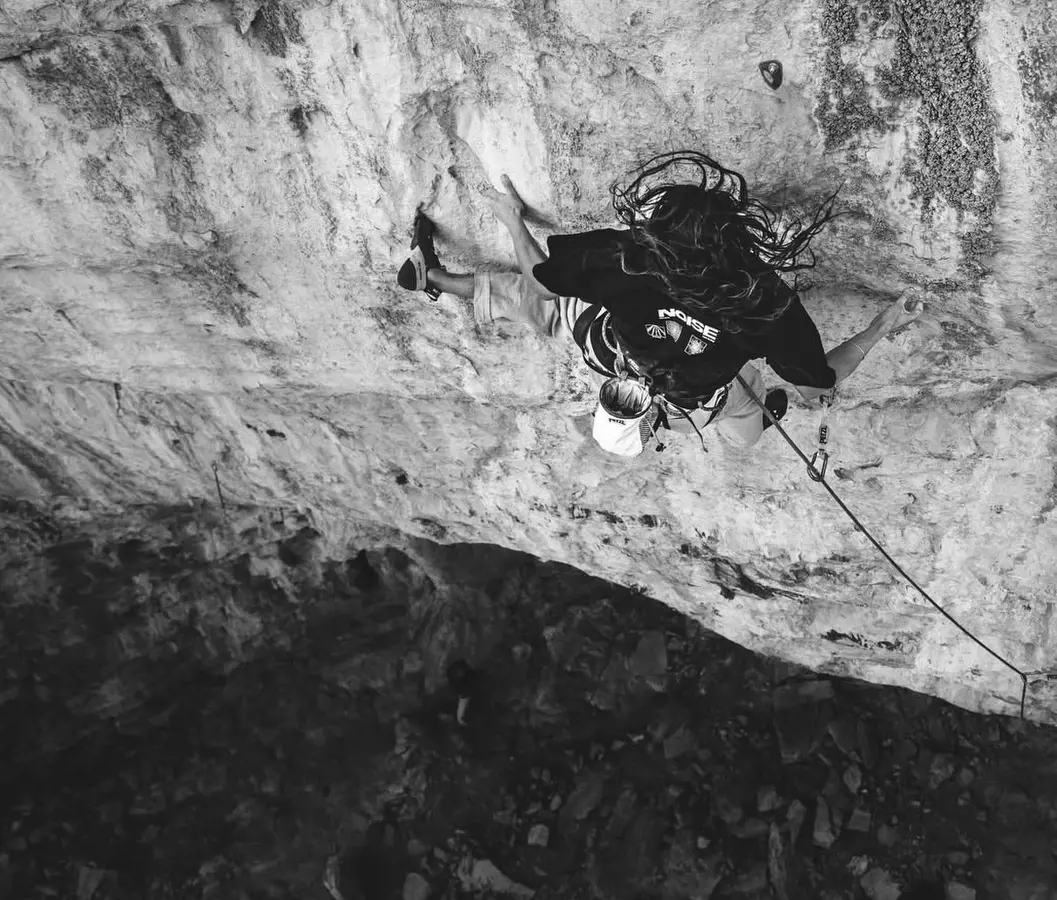
Rich Marcus 8c by Matilda Sรถderlund in Sweden
Matilda Sรถderlund has had a great day in Niemisel in the northern part of Sweden when she did one 8b+ and Rich Marcus 8c. (c) Tor Johnsson "The best place Iโ€™ve climbed at in Sweden. 28 m of superb granite, the routes are super high quality - just amazing! It is truly a little gem and the community of climbers up there is fantastic. The style suits me very well, slightly overhanging and quite a lot of small holds." In 2012, Matilda was #6 in the World Championship as well as onsighted three 8b's. Later she focused on taking a Master in Business Administration. Since two years she is a full time climber again. Next is a DWS competition in Mallorca and possibly Red River Gorge in October. Follow her on Insta.

During the Combined Final on Sunday, the six finalists start with Speed followed by Boulder and Lead. As Janja Garnbret will win is quite obvious but then it just might be that Sol Sa from Korea will get the silver as she did not take part in the boulder final, getting a good rest and also time for the skin to recover. Here is the prediction. Note that, Miho is ranked last as she probably will have very hard to compete in at least Boulder, due to her shoulder injury. She was quite superior in Speed so probably she can still make a good result here. 1. Janja Garnbret 5 - 1 - 1 = 5 2. Sol Sa 2 - 3 - 4 = 24 3. Petra Klingler 1 - 5 - 5 = 25 4. Jessica Pilz 4 - 4 - 2 = 32 5. Akiyo Noguchi 6 - 2 - 3 = 36 6. Miho Nonaka 3 - 6 - 6 = 108

Janja Garnbret Combined World Champion
Janja Garnbret started with being #5 in Speed where we saw two false starts, resulting in Petra Klingler being #3, after just having climbed one route. Sol Sa, who did not do the boulder final giving her more rest and better skin, was #2. In Bouldering, Janja was superior doing all four again dynamic coordination boulders. Sol had her hand on two tops but fell to the ground. With 30 seconds left on the last boulder she was fifth in the ranking but with a spectacular she did it and advanced to runner-up. In Lead, almost all girls were fighting with taped fingers and blood on their finger tips. Jessica Pilz topped and now the pressure was once again on Janja having to climb faster. As in Lead she stopped before the final move but she executed and was ranked #1. Now the pressure was on Sol Sa, who had to beat Jessica's time to win overall but she fell low but anyhow ended #2 in the Combined after Janja but before Jessica. Complete results (c) Vladek Zumr