NEWS

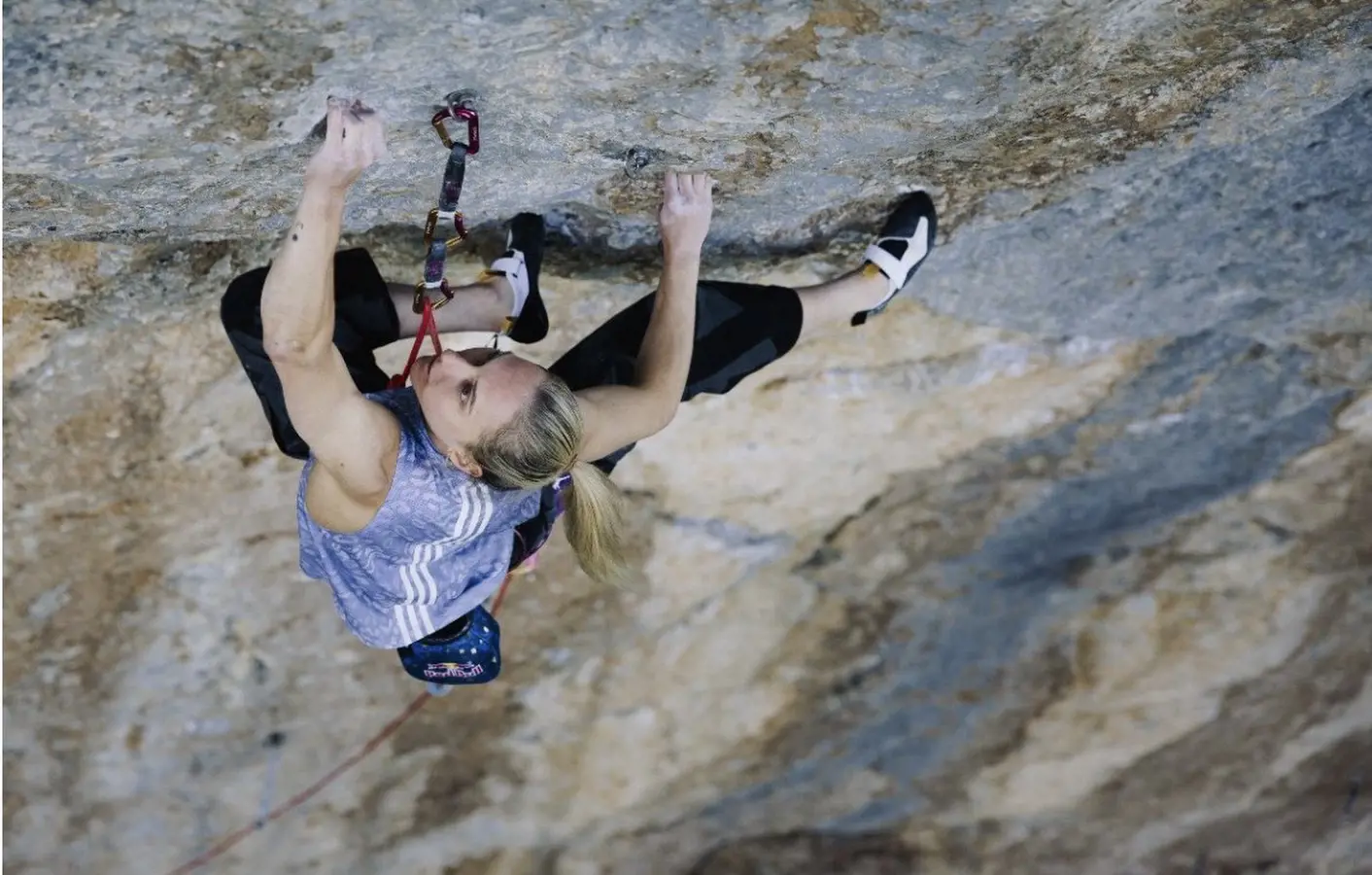
Sever the Wicked Hand 9a by Chiara Hanke
Chiara Hanke, who previously has done five 8cโ€™s has become the first women to do a 9a in Frankenjura via, Sever the Wicked Hand, in just six or seven sessions. More info and pics on her Insta. (c) Hans Radetzki โ€I started climbing at the age of 13 after a shoulder surgery. Before that I was passionate about wakeboarding. Actually I just wanted to get fit for wakeboarding again quickly. A climbing hall had opened around the corner from me at the time. That was so much fun for me that I stayed with it. Then everything went very fast: competitions, member of the national team, more competitions. I didnโ€˜t get to really climb outside until the end of 2017, when I started climbing again after a knee injury lasting almost 3 months. That was a lot of fun for me and motivation! In 2018 I only climbed outside besides training. Wallstreet was certainly a highlight of it. For me it was and still is important to climb many routes and climbb in general. I really don't like to try routes to often. Then I have the feeling not to climb any more and I miss just doing moves."

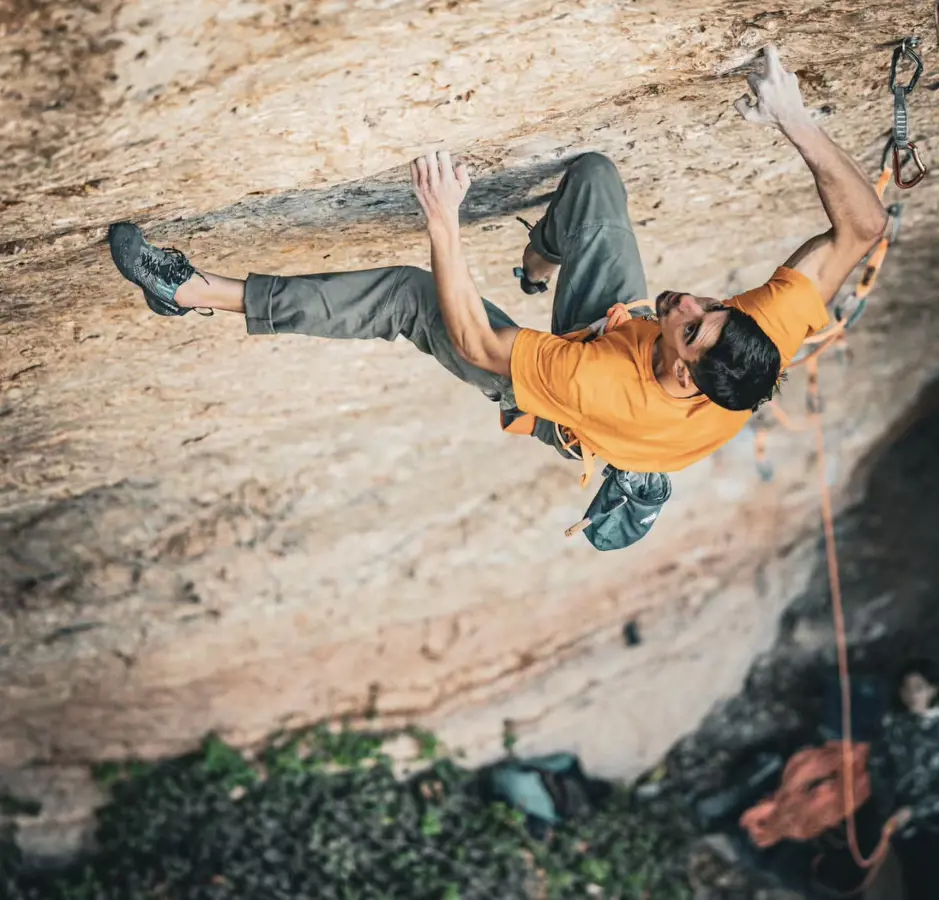
Jorge Diaz-Rullo has done his fourth 9a the last three weeks, Leira in Cuenca. Adding also four 8c+ and one 9b in the same period, it is easy to say that the 19 year old is in the best shape in his life. In the 8a ranking game, the Spaniard is #4.

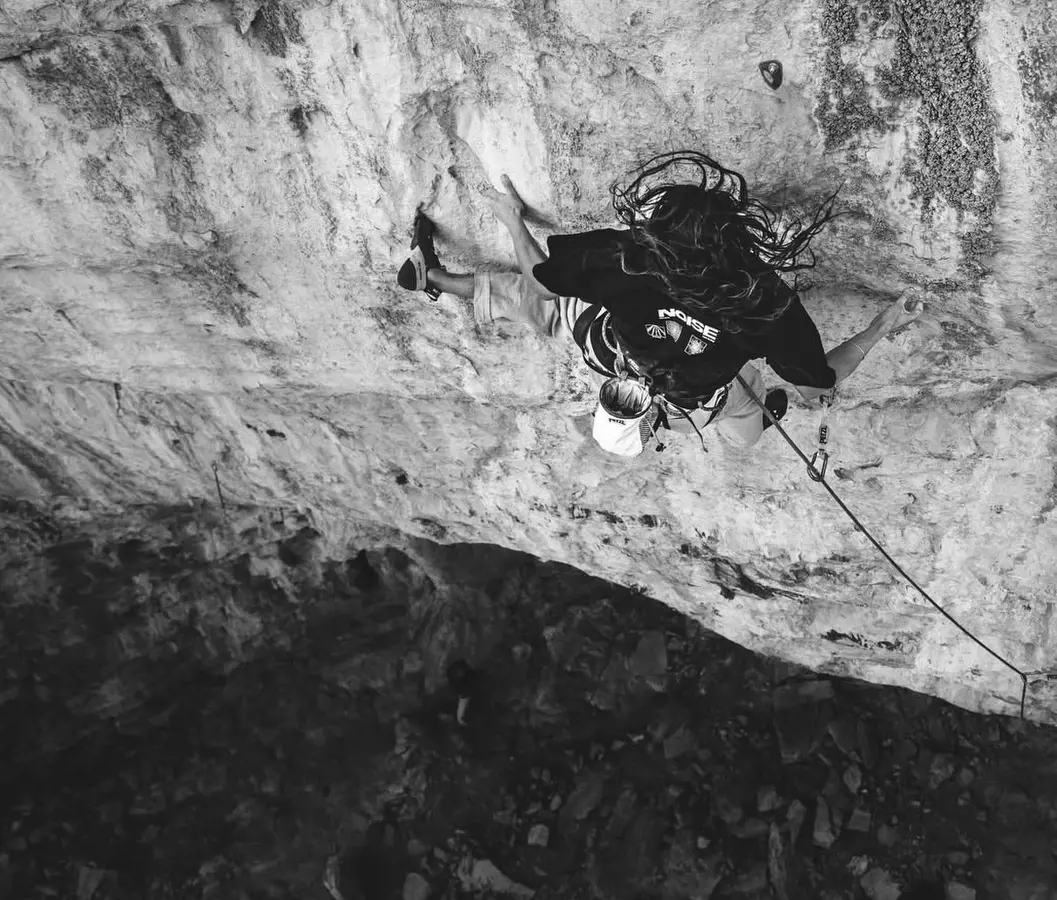
Bernd Zangerl famous for being one of the pioneers of Magic Wood and many other areas around the globe explores more in Val di Orco including the Il Colonel sds.

Jumbo Pumping Hate 8b+ by Bill Ramsey (59)
Bill Ramsey (59), a professor in philosphy, has done Jumbo Pumping Hate 8b+ in Clark Mountain put up by Randy Leavitt. (c) Max Fox "I like what Randy Leavitt said: "Don't let your mind get old because your body will follow." While your various strengths and capacities diminish with age, your ability to try hard doesn't. Rest more and warm-up more, but when it's game time, try really hard." How many sessions did it take and did you do any specific training? Iโ€™m not sure how many sessions, but I worked on it for about three seasons. I tried recreating the crux dyno in my garage to train on, and that probably helped. I also made a point of training while projecting to avoid project-atrophy. Sometimes that would involve taking a few days off to train, sometimes it would involve training before or after a day at the cliff. How is your approach towards doing hard routes now compared to 10, 20 and 30 years ago? Itโ€™s the same, only I probably put less pressure on myself now. I want to send, but just having a good day up there with friends, where I feel good about my effort is also gratifying. What is it mentally, taking about motivation, that keeps you pushing so hard? I think the hype about always being positive is mostly BS. Itโ€™s better to be a realistic optimist โ€“ being honest and realistic about your chances, about what needs improving, but trying hard when you have a shot. Some days are going to really suck and you just need to take those in stride. You also need mini-goals (high-points, or low-points, linkage goals) and strategic objectives every day. And no matter how well you think you know a route, there is always more to learn. Even if a slight tweak in beta that only saves .5% of energy, if you find 4 of those you are climbing 2% stronger, which can be huge.

Here is a list of 27 male who have the best chances of making it to Toulouse, including the seven qualifying directly to the Olympics in Tokyo WCH. JPN 7: Tomoa Narasaki, Yoshiyuki Ogata, Kokoro Fujii, Kai Harada, Rei Sugimoto, Meichi Narasaki, Keita Dohi Global: 20 SLO: Jernej Kruder & Anze Peharc, FRA: Manuel Cornu, GER: Jan Hojer, Alex Megos and Yannick Flohe, ITA: Stefano Ghisolfi & Marcello Bombardi, RUS: Nikolai Iarilovets, USA: Nathaniel Coleman, Sean Bailay, AUT: Jakob Schubert KOR: Jongwon Chon CAN: Sean McColl, CZE: Adam Ondra, GBR: William Bosi, BEL: Nicolas Collin, CHI: Yufei Pan, NED: Tim Reuser, RUS: Aleksey Rubtsov, 10 Challengers: INA: Alfian Muhammad, ITA: Mickel Piccolruaz, ECU: Carlos Granja, SWE: Hannes Puman, BEL: Simon Lorenzi & Loic Timmermans, USA: Rudolph Ruana, CZE: Jakub Konecny, SLO: Domen Skofic, FRA: Romain Desgranges Not participating in Villars in both Lead and Speed but still have the chance: GBR: William Ridal, FRA: Bassa Mawem & Mikael Mawem, UKR: Sergii Topishko & Fedir Samoilov, ISR: Alex Khazanov

Jade 8B+ by Ben Burkhalter (17)
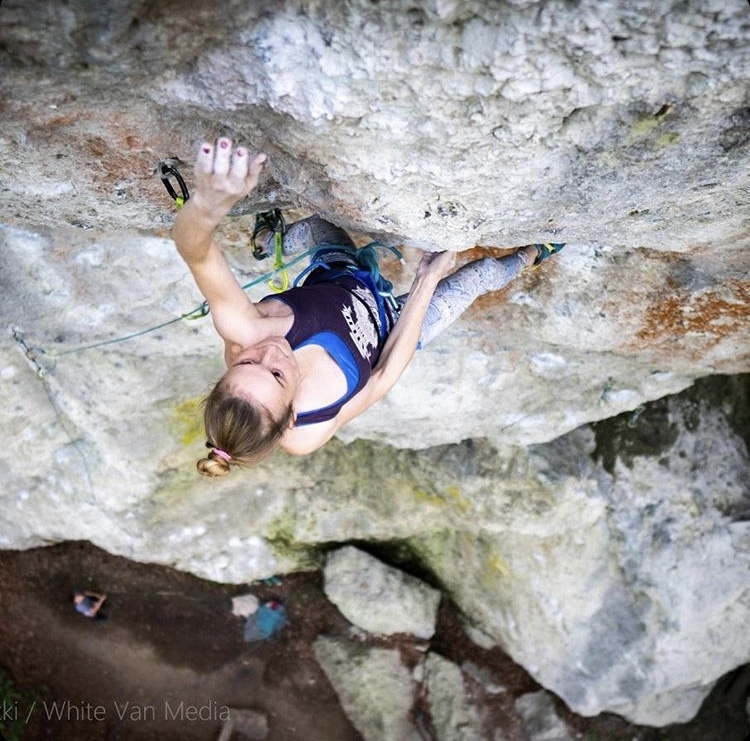
Ben Burkhalter, who did his first 8A+ in 2017 after just having climbed for three years, has done his first 8B+, Jade in RMNP. (c) Sam Weir "Wow! Did โ€œthe moveโ€ 3rd try.. should have finished it my 1st session, but due to a total fluke I split my left pointer finger on the start hold while giving it bottom goes. Went back up 4 days later on the last day of my trip with 2 fingers still split and real humid weather. I super glued my skin and somehow managed it! So psyched and Iโ€™m truly honored to send this finger strength testpiece at age 17! Total Hail Mary on the last day!"

France dominated the first European Youth Cup in 2019, which took place in Ostermundigern in Switzerland, with three golds and two more medals. Oriane Bertone, who has totally dominated in the Bouldering events this season, was the only one to top all three routes. Updated results 00: Alistair Duval FRA - Chiara Schafferer AUT 02: Alberto Gines ESP - Camille Pouget FRA 04: Gergรถ Valyi HUN - Oriane Bertone FRA

Based on the registered athletes in Villars and the Boulder WC's Top-70 results, it seems like there are only some 50 male and female trying to make it to the Combined Top-20 qualifying event in Toulouse. If we exclude the ones who did not make semis in the Boulder WC's 2019 and in the Lead WC's in 2018, we are down to some 35 athletes per gender. Then, with seven male qualifying through the World Championship, it seems four Top-20, or equivalent (1), as well as quite good result in Speed will be good enough for Toulouse. This also opens up for the very best speed climbers to make it to Toulouse even with very poor result in Lead and Boulder. The twist of this analyses is that the last Boulder World Cup in Vail, with just 57 and 55 female male participating, out of which only half of field will probably get a Combined ranking, was a free card to keep the Olympic dream alive. In the end of the season, some will use the calculator and find out that if they only had traveled to Vail they would have made it to Toulouse. Others might mathematically find out that if they only had traveled to Vail, they would be much more secure to qualify before the last events. Another twist is that many of the ones that have secured a ticked to Tokyo or to Toulouse might skip the last Lead/Speed events in Japan, opening up another free card to the Olympic dream. (1) Only the relative ranking counts meaning that four Top-20 might be 14 * 14 * 15 * 15 = 44 100 (equivalent to) 6 * 6 * 35 * 35 = 44 100