
NEWS
29 November 2020
Combined Leadspead?
With the new Combined Lead format, with no countback to previous rounds, it is about to climb as fast as possible as all ties both in the qualification and the final are separated by time only. Back in the old days, climbers were hanging around in up to 12 minutes which can be compared with Yuval Shelma doing the 36 holds final route in Moscow in just 2.20 minutes. Some years ago, both climbers and followers were complaining when first the super final was taken away and later when the max time was reduced from 8 to 6 minutes.
I have always been in favour of getting also the Speed element into Lead and it is natural when we have made it into the Olympics. However, I do think the athletes will need to know what the plan is for Tokyo. If it will continue like Leadspeed in Moscow, I am sure Adam Ondra and others like to know as this will change the way they prepare and approach the routes? The dilemma is of course that even if the routes are done more difficult, the risk of having many ties further down is big and in the end, a Leadspeed approach is the most logical one.
This will make it more fun to watch for the general public but at the same time, this demands that times are presented like in a slalom race next to the climber's name. In fact, in order to fully understand who is climbing faster, split times are needed to be presented along the route. We can not have it like in Moscow that only the guys following the event with personal stopwatches and writing split times on a paper are the only guys fully understanding who is fastest in real-time. Imagine that in reality, two climbers are neck and neck during the last ten holds deciding all three medals in Tokyo but even so, the audience and the commentators do not fully understand this and then have to wait, together with the athletes, some 30 seconds before we know the results.
It should be mentioned that one way of making time less important is to go back to + and - hold scoring. As you know, today two climbers performing differently could get the same score, meaning time is needed to separate them. Another solution could be to skip observation as this means that most climbers will use the same beta, increasing the risk for ties.
It should be mentioned that the Lead route setter in Moscow, Jan Zbranek, told 8a that the reason for why the final routes were too easy was just because they were too tired after 14 days of setting. IFSC has not given them any instructions in terms of making the Combined routes easier. "The guidelines never change: one top is perfect. We don't really get updated instructions for every comp."
I have always been in favour of getting also the Speed element into Lead and it is natural when we have made it into the Olympics. However, I do think the athletes will need to know what the plan is for Tokyo. If it will continue like Leadspeed in Moscow, I am sure Adam Ondra and others like to know as this will change the way they prepare and approach the routes? The dilemma is of course that even if the routes are done more difficult, the risk of having many ties further down is big and in the end, a Leadspeed approach is the most logical one.
This will make it more fun to watch for the general public but at the same time, this demands that times are presented like in a slalom race next to the climber's name. In fact, in order to fully understand who is climbing faster, split times are needed to be presented along the route. We can not have it like in Moscow that only the guys following the event with personal stopwatches and writing split times on a paper are the only guys fully understanding who is fastest in real-time. Imagine that in reality, two climbers are neck and neck during the last ten holds deciding all three medals in Tokyo but even so, the audience and the commentators do not fully understand this and then have to wait, together with the athletes, some 30 seconds before we know the results.
It should be mentioned that one way of making time less important is to go back to + and - hold scoring. As you know, today two climbers performing differently could get the same score, meaning time is needed to separate them. Another solution could be to skip observation as this means that most climbers will use the same beta, increasing the risk for ties.
It should be mentioned that the Lead route setter in Moscow, Jan Zbranek, told 8a that the reason for why the final routes were too easy was just because they were too tired after 14 days of setting. IFSC has not given them any instructions in terms of making the Combined routes easier. "The guidelines never change: one top is perfect. We don't really get updated instructions for every comp."
Read more
0
2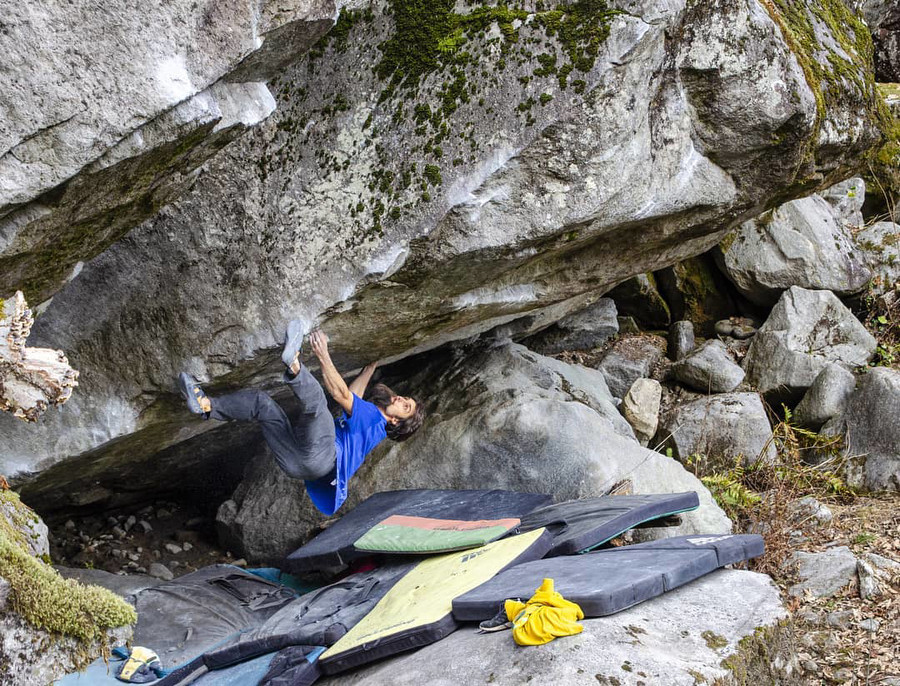
29 November 2020
La Rustica 8C by Niky Ceria
Niky Ceria reports on Insta that he has done Jimmy Webb's La Rustica 8C in Valle Bavona. In total, the 27-year-old Italian, who is somewhat under the radar as he never gives his FAs a grade, needed seven sessions to take the masterpiece down. (c) Selfie
"One of the nicest Ticino's additions of the past decade. Something I have always dreamt to try, but somehow I have never come back to this place from 2014 until last March. During this fall trip my hand was more flexible and I could feel different body positions on the super technical third move.
It rarely happens to be attracted and feel deeply connected to something that has already been developed like in this case. At least to me. Certainly not because the boulders I found are better, but different because the whole process includes many enjoyable moments which make the entire experience a different thing. La Rustica is the proper example of the exception."
"One of the nicest Ticino's additions of the past decade. Something I have always dreamt to try, but somehow I have never come back to this place from 2014 until last March. During this fall trip my hand was more flexible and I could feel different body positions on the super technical third move.
It rarely happens to be attracted and feel deeply connected to something that has already been developed like in this case. At least to me. Certainly not because the boulders I found are better, but different because the whole process includes many enjoyable moments which make the entire experience a different thing. La Rustica is the proper example of the exception."
Read more
3
029 November 2020
Fan also in Moscow Boulder comp
Fans have been more popular outdoors lately, creating better conditions for the boulderers. During the European Championship in Moscow, Chloe Caulier was the first competitor bringing on "Makita" on stage. The Belgian just placed it like two meters behind the boulder and started to climb. It should be mentioned that previously climbers have brought a fan into the isolation in order to cool down the fingers before and in between rotations.
Read more
0
228 November 2020
Rubtsov to Tokyo after Leadspeed drama
Aleksei Rubtsov, Boulder World Champion in 2009, got the ticket to Moscow after a Leadspeed drama that will go to the record books. First out is William Bosi who touches the final jug and then Sergei Luzhetski tops with 3.09 left on the clock. Rubtsov is third last out but as his best ever Lead WC result is #15 and that he was #16 in the Lead qualification, realistically he is fighting for the bronze overall even if he was #5 in Speed and #1 in Boulder. The Russian sets out in Lead Speed mode and does the Lead climb of his lifetime touching the final jug much faster than Bosi.
Next out is the big favourite Sasha Lehmann who needs to top out faster than Sergei in order to get the ticket. After beating the Russian with some 20 seconds the commentator says he thinks this is enough and Sasha's name is on top of the provisional results. Then Yuval Shelma starts running up the route and as he tops out even faster, Rubtsov is the lucky man going to Tokyo and Sasha need to wait until Paris 2024.
Congratulation the Olympian he responds in a text message. "Amazing moment, no words... Yuval is my hero." (c) Nikita Tsarev
1. Aleksei Rubtsov RUS 5 - 1 - 4 (2.42) = 20
2. Sascha Lehmann SUI 4 - 3 - 2 (2.31) = 24
3. Sergei Luzhetski RUS 2 - 5 - 3 (2.51) = 30
4. Nikolai Iarilovets RUS 3 - 2 - 6 = 36
5. Yuval Shelma ISR 8 - 6 - 1 (2.20) = 48
6. Marcin Dzienski POL 1 - 8 - 8 = 64
7. Alex Khazanov ISR 7 - 4 - 7 = 196
8. William Bosi GBR 6 - 7 - 5 (3.20) = 210
The 32-year-old had no sponsors until 2015, besides free shoes from La Sportiva. In his 8a scorecard he has logged a dozen 8B+ and harder and two 9a's out of which one from this summer. Here are some interesting comments from Rubtsov published in Innsbruck 2018
"The brain is the most important part in climbing. Maybe not in speed (laughs), but in bouldering for sure. In Europe, every coach thinks that he's the smartest one and his system is the best. They are authoritarian. But they should understand that they know nothing and start their education from zero. I can't tell you what I do, because that is my secret. Laughs. You need to widen your repertoire to improve, not focusing on small things, but on the big picture... It is better for me to be alone. You could maybe remove the bonus, even. You can do the boulder, or you can't. Bouldering is good. One bonus, two bonuses, ten bonuses, ... what is that? It's not Bouldering."
Next out is the big favourite Sasha Lehmann who needs to top out faster than Sergei in order to get the ticket. After beating the Russian with some 20 seconds the commentator says he thinks this is enough and Sasha's name is on top of the provisional results. Then Yuval Shelma starts running up the route and as he tops out even faster, Rubtsov is the lucky man going to Tokyo and Sasha need to wait until Paris 2024.
Congratulation the Olympian he responds in a text message. "Amazing moment, no words... Yuval is my hero." (c) Nikita Tsarev
1. Aleksei Rubtsov RUS 5 - 1 - 4 (2.42) = 20
2. Sascha Lehmann SUI 4 - 3 - 2 (2.31) = 24
3. Sergei Luzhetski RUS 2 - 5 - 3 (2.51) = 30
4. Nikolai Iarilovets RUS 3 - 2 - 6 = 36
5. Yuval Shelma ISR 8 - 6 - 1 (2.20) = 48
6. Marcin Dzienski POL 1 - 8 - 8 = 64
7. Alex Khazanov ISR 7 - 4 - 7 = 196
8. William Bosi GBR 6 - 7 - 5 (3.20) = 210
The 32-year-old had no sponsors until 2015, besides free shoes from La Sportiva. In his 8a scorecard he has logged a dozen 8B+ and harder and two 9a's out of which one from this summer. Here are some interesting comments from Rubtsov published in Innsbruck 2018
"The brain is the most important part in climbing. Maybe not in speed (laughs), but in bouldering for sure. In Europe, every coach thinks that he's the smartest one and his system is the best. They are authoritarian. But they should understand that they know nothing and start their education from zero. I can't tell you what I do, because that is my secret. Laughs. You need to widen your repertoire to improve, not focusing on small things, but on the big picture... It is better for me to be alone. You could maybe remove the bonus, even. You can do the boulder, or you can't. Bouldering is good. One bonus, two bonuses, ten bonuses, ... what is that? It's not Bouldering."
Read more
2
128 November 2020
Total domination in Moscow by the Russians
Russia got the two tickets to Tokyo but even more impressive was that they in total got five golds, three silvers and four bronzes out of a total of eight sets of medals. The second most successful country was Switzerland (Sasha Lehmann) with one gold and one bronze. Dima Sharafutdinov, the three-time boulder world champion, is their head coach. He ha promised to make an explanation how this could be possible.
Read more
0
028 November 2020
Route Setter Magazine #3 is here!
Thanks to the contribution of many industry experts and partners, the magazine once again presents central topics that are of concern to the indoor climbing industry: how to efficiently get out of a crisis and how representatives of the indoor climbing industry assess the future; insights into the profession of route setters worldwide; how values can define the success of a business concept, with Sharma Climbing, Memphis Rox, and Womxn Up. As always, an integrated catalogue provides an overview of the top products from the brands and suppliers of the gym industry. Get your printed copy here More
info and a preview here.
Read more
0
228 November 2020
Meshkova to Tokyo being faster
Eliska Adamovska was the last female out as she won the qualification. If she tops out and is faster than Viktoriia Meshkova, Stasa Gejo will get the ticket to Tokyo. The clock is ticking but all the way from the start she is not as fast but even when Eliska tops out one minute slower, nobody knows who made it Tokyo (besides the guys keeping track of the time). After some 40 seconds, the Russian coaches start to scream and the camera shows Meshkova starting to understand what happened. (c) Nikita Tsarev
Previous in the week, she won Gold both in Lead and Speed. Based on her previous World Cup results, this must be the biggest sensation ever in competition climber. Last year she did eleven Boulder and Lead WCs and the 20-year-old's best results were #16.
Dmitry Sharafutdinov, the Russian training coach who has won three World Championships and who is famous for mainly done pull-ups as his training regime, says that probably hard physical training 20+ hours a week in her apartment during the two months lockdown is the best explanation.
"The secret of her success is probably the spring lockdown. Everyone was at home. Communication only online. I wrote a training program. At home, Vika performed an enormous amount of physical training. Like me in my best years. 5 times a week, for 4-5 hours. (But the exercises are a secret.) Fingerboard was done regularly. But that was not the main one. Rather, the emphasis was on training large muscles. We used a little bit of everything. But no matter how strange it may sound, I took a lot from figure skating and alpine skiing. Not much with weights, mostly with her own weight.
A month ago, a test for coronavirus gave a positive result and she isolated herself. The disease was mild. She was under the supervision of a doctor of the Russian national command team. As soon as the symptoms went away she began training. Online first, and after negative tests five times at the climbing gym. It's hard for me to say now what played a decisive role. Perhaps rested."
1. Viktoria Meshkova RUS 2 - 6 - 1 = 12
2. Stasa Gejo SER 3 - 1 - 5 = 15
3. Eliska Adamovska CZE 8 - 4 - 2 = 64
4. Patrycja Chudziak POL 1 - 8 - 8 = 64
5. Chloe Caulier BEL 5 - 2 - 7 = 70
6. Elena Krasovskaia RUS 4 - 3 - 6 = 72
7. Hannah Meul GER 6 - 5 - 4 = 120
8. Molly Smith-Thompson GBR 7 - 7 - 3 = 147
It should be noted that the Speed specialist actually was very close to having gotten the bronze.
Previous in the week, she won Gold both in Lead and Speed. Based on her previous World Cup results, this must be the biggest sensation ever in competition climber. Last year she did eleven Boulder and Lead WCs and the 20-year-old's best results were #16.
Dmitry Sharafutdinov, the Russian training coach who has won three World Championships and who is famous for mainly done pull-ups as his training regime, says that probably hard physical training 20+ hours a week in her apartment during the two months lockdown is the best explanation.
"The secret of her success is probably the spring lockdown. Everyone was at home. Communication only online. I wrote a training program. At home, Vika performed an enormous amount of physical training. Like me in my best years. 5 times a week, for 4-5 hours. (But the exercises are a secret.) Fingerboard was done regularly. But that was not the main one. Rather, the emphasis was on training large muscles. We used a little bit of everything. But no matter how strange it may sound, I took a lot from figure skating and alpine skiing. Not much with weights, mostly with her own weight.
A month ago, a test for coronavirus gave a positive result and she isolated herself. The disease was mild. She was under the supervision of a doctor of the Russian national command team. As soon as the symptoms went away she began training. Online first, and after negative tests five times at the climbing gym. It's hard for me to say now what played a decisive role. Perhaps rested."
1. Viktoria Meshkova RUS 2 - 6 - 1 = 12
2. Stasa Gejo SER 3 - 1 - 5 = 15
3. Eliska Adamovska CZE 8 - 4 - 2 = 64
4. Patrycja Chudziak POL 1 - 8 - 8 = 64
5. Chloe Caulier BEL 5 - 2 - 7 = 70
6. Elena Krasovskaia RUS 4 - 3 - 6 = 72
7. Hannah Meul GER 6 - 5 - 4 = 120
8. Molly Smith-Thompson GBR 7 - 7 - 3 = 147
It should be noted that the Speed specialist actually was very close to having gotten the bronze.
Read more
1
027 November 2020
Digital info is badly needed
Showcase our sport through events is the IFSC first key objective. I must say that IFSC badly needs to present digital info live on the screen in order to take full advantage of all excitement that happens in Combined in Moscow Here is some info that could be visible all the time making the event a better showcase of our sport.
1. Personal best time next to the athletes time
2. Current rankings after each round in both Speed and Boulder
3. In bouldering the results for each boulder is not possible to find at all
4. Current rankings based on the multiplication score
Furthermore, Matt Groom who is doing a great job, needs a sidekick that can analyse the result and explain what results are needed for the athletes. With no digital updates live on the screen it is very hard for him analysing everything live. As an example, as Jernej Kruder was in trouble on his third boulder, the excitement would increase if the audience would hear. "Most probably, Jernej needs to top in order to have a chance for Tokyo."
In reality, one can speculate that a max score of 380 is needed in order to make it to the Top-8. In other words, William Bosi and Sergei Luzhetski, could just drop out after the first hold in order to save their muscles and performing at their best when the Olympic ticket is at stake tomorrow. Stasa Gejo just needs to beat the Speed specialists, meaning she can let go after 4-5 clips probably.
1. Personal best time next to the athletes time
2. Current rankings after each round in both Speed and Boulder
3. In bouldering the results for each boulder is not possible to find at all
4. Current rankings based on the multiplication score
Furthermore, Matt Groom who is doing a great job, needs a sidekick that can analyse the result and explain what results are needed for the athletes. With no digital updates live on the screen it is very hard for him analysing everything live. As an example, as Jernej Kruder was in trouble on his third boulder, the excitement would increase if the audience would hear. "Most probably, Jernej needs to top in order to have a chance for Tokyo."
In reality, one can speculate that a max score of 380 is needed in order to make it to the Top-8. In other words, William Bosi and Sergei Luzhetski, could just drop out after the first hold in order to save their muscles and performing at their best when the Olympic ticket is at stake tomorrow. Stasa Gejo just needs to beat the Speed specialists, meaning she can let go after 4-5 clips probably.
Read more
1
027 November 2020
The Back Of Beyond 9a FA by Alexander Rohr
Alexander Rohr has done his ninth 9a by the FA of The Back Of Beyond 9a in Soyhières. (c) Hannes Kutza
"Extension to Jusqu‘au bout du monde. Hard boulder after the first pitch and really resistant. Finally, the original line is born and the Jura got his first 9a. I tried it some days in the beginning of November, but the conditions were still too warm. I went there again last week for three sessions and had a breakthrough on Thursday. Then the conditions on the weekend were bad again but I finally sent on Tuesday on my third try of the day.
The key in this route is doing the lower pitch which is 8c without getting tired and having dry but not too cold conditions. It was a bit weird, as the conditions changed quite a lot and it became hard to predict what‘s going to happen. But in the end, I just kept in trying and got rewarded.
"Extension to Jusqu‘au bout du monde. Hard boulder after the first pitch and really resistant. Finally, the original line is born and the Jura got his first 9a. I tried it some days in the beginning of November, but the conditions were still too warm. I went there again last week for three sessions and had a breakthrough on Thursday. Then the conditions on the weekend were bad again but I finally sent on Tuesday on my third try of the day.
The key in this route is doing the lower pitch which is 8c without getting tired and having dry but not too cold conditions. It was a bit weird, as the conditions changed quite a lot and it became hard to predict what‘s going to happen. But in the end, I just kept in trying and got rewarded.
Read more
3
027 November 2020
Moscow Finals 13.35 Euro Time
Local Moscow GMT+3 time
15.50 Women's Speed Finals
16.30 Men's Speed Finals
17.30 Women's Boulder Finals
19.00 Men's Boulder Finals
21.00 Women's Lead Finals
15.50 Women's Speed Finals
16.30 Men's Speed Finals
17.30 Women's Boulder Finals
19.00 Men's Boulder Finals
21.00 Women's Lead Finals
Read more
0
0 Favorites
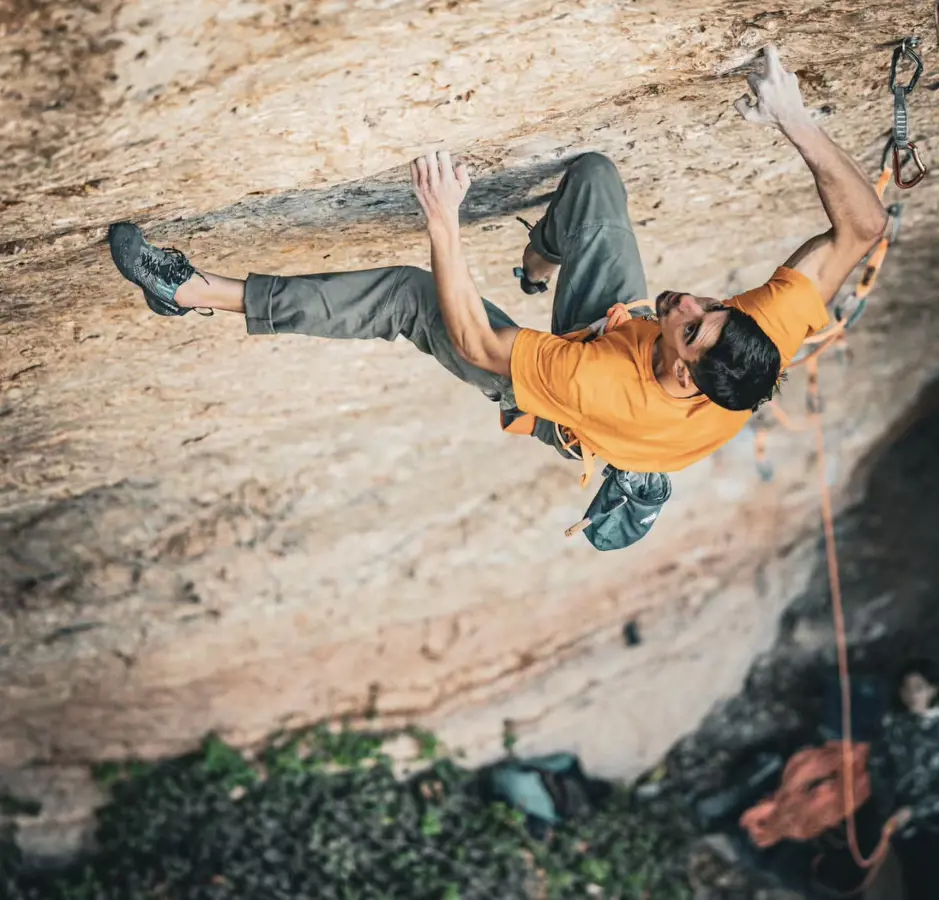
Jorge Diaz-Rullo reports on Instagram that he has made the first ascent of Cafe Colombia in Margalef. At 27, he’s already stacked four 9b+ sends and now he’s ad…
285
81
”I stopped focusing on competition bouldering after last year’s World Cup in Prague, partly because I can already feel it on my body, especially in my shoulders. The modern competition style, with a lot of jumping from one hold to another, is very demanding for the shoulders.
Outdoor bouldering is…
189
13Sean Bailey reports on Instagram that he has done the first ascent of Duality of Man (9c) in Dry Canyon. ” After four total years and three seasons of climbing,…
163
69 Most commented
Jorge Diaz-Rullo reports on Instagram that he has made the first ascent of Cafe Colombia in Margalef. At 27, he’s already stacked four 9b+ sends and now he’s ad…
285
81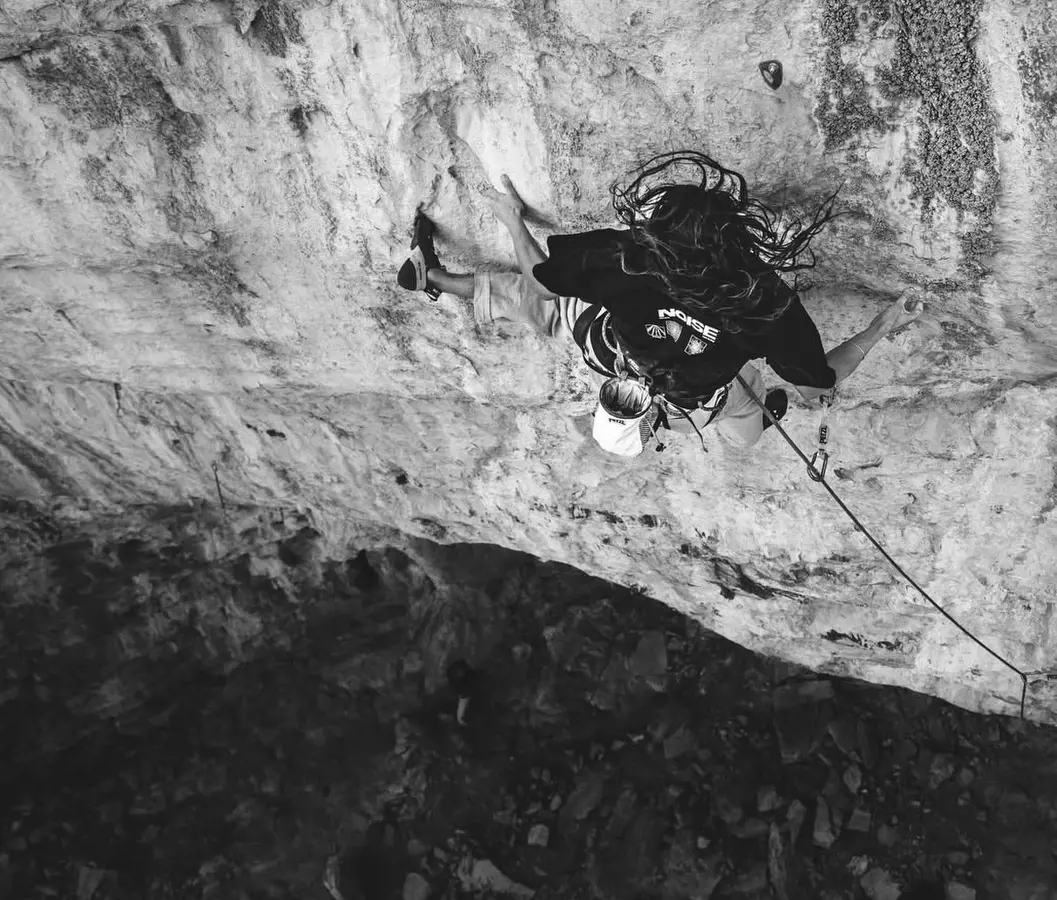
Sean Bailey reports on Instagram that he has done the first ascent of Duality of Man (9c) in Dry Canyon. ” After four total years and three seasons of climbing,…
163
69Jorge Diaz-Rullo elaborates on the reasons for him to suggest 9c for Café Colombia on Instagram, which he took down last week after projecting it for 240 sessio…
119
63