
17 May 2021
The kids and female grading dilemma
Rock climbing is unique when it comes to gender and age performance equality. There is no other sport where the best females and kids perform so close to the top male grades. Ashima Shiraishi is the best example of extreme girl power, doing her first 8B boulder at age eleven, two 9a's at age 13 and one 8C boulder being 14-years-old. As a matter of a fact, measuring Bouldering and Sport climbing tick lists, she was the #1 female in the world as she became a teenager. At that time her tick list was among the Top 20 for males in the world. Still, she has many "world records" when it comes to what grades 8 to 14-year-olds have done.
One reason why kids' and female performance in climbing are unique has to do with size. A shallow one finger pocket for an adult could become a deeper two-finger pocket for a kid. Small fingers could possibly dig deep with all fingers in a crack where an adult hand could not use it at all. A 140 cm tall kid could get a good no-hand rest kneebar, out of reach for an adult who might instead be thinking "this is the crux". Furthermore, kids do not face the same problem with lactic acid, i.e. getting pumped.
On the other hand, a 140 cm tall 9a climber will not be able to do all 7a's. Especially on vertical granite, shorter climbers are struggling as there are often just a few edges far apart that create the climb. On the other hand, on granite slabs a 35 kg kid shoe could create insufficient friction to stand and even move, while a heavier climber would slip. The reason for this is that both the smaller and the bigger foot get similar contact areas on the rock.
The general dilemma is that the FAs and the grades are done by adult males, i.e 170 - 185 cm. This means that a 155 cm climber will sometimes perceive an 8a as relatively easy or, in other cases, totally impossible. Logically, smaller climbers will focus on climbs where their size could be an advantage and not spend a record number of sessions putting up a big boulder dyno, which later will be downgraded by much taller guys.
Some 30 years ago, almost all climbers doing 8a's were 160 - 185 cm and their effort and opinions set the consensus grade. As, in general, females and kids do more seldom suggest personal grades, many routes keep their original grade although a big percentage of the ascents are done by 140 - 160 cm tall climbers. Obviously, there is sometimes a big mismatch in grading based on the size of the climbers and, in reality and logically, the smaller climbers often take advantage of this.
It just might be that the rumour is spread that a certain climb fits the smaller size and later it will be repeated by many kids setting a great personal best. Unfortunately, the climb would hence be at risk of being downgraded based on the selection of climbers focusing on that route. On the other hand, as soon as we start talking about top-level achieved grades like Ashima Shiraishi's 8C boulder, Horizon at age 14, her size (possibly 145 cm and 35 kg) is irrelevant. This is a world-class achievement and she has a grade pyramid that backs it up.
It should be mentioned that 8a, communicating with kids and their parents, always tries to encourage them to focus on onsights and multiple easier climbs. There is a risk that systematically searching for grade mismatches and endless projecting will create an early bird peak, with headlines and fame that will be hard to handle in the longer run.
It should also be mentioned that, as the climbing population increasingly consists of kids, the grading loses in meaning and relevance as it becomes more personal. One reason why the 8a scorecard is based on the Top-10 ascents with fixed points, is to encourage climbers to go for multiple climbs instead of redpointing just one route.
One reason why kids' and female performance in climbing are unique has to do with size. A shallow one finger pocket for an adult could become a deeper two-finger pocket for a kid. Small fingers could possibly dig deep with all fingers in a crack where an adult hand could not use it at all. A 140 cm tall kid could get a good no-hand rest kneebar, out of reach for an adult who might instead be thinking "this is the crux". Furthermore, kids do not face the same problem with lactic acid, i.e. getting pumped.
On the other hand, a 140 cm tall 9a climber will not be able to do all 7a's. Especially on vertical granite, shorter climbers are struggling as there are often just a few edges far apart that create the climb. On the other hand, on granite slabs a 35 kg kid shoe could create insufficient friction to stand and even move, while a heavier climber would slip. The reason for this is that both the smaller and the bigger foot get similar contact areas on the rock.
The general dilemma is that the FAs and the grades are done by adult males, i.e 170 - 185 cm. This means that a 155 cm climber will sometimes perceive an 8a as relatively easy or, in other cases, totally impossible. Logically, smaller climbers will focus on climbs where their size could be an advantage and not spend a record number of sessions putting up a big boulder dyno, which later will be downgraded by much taller guys.
Some 30 years ago, almost all climbers doing 8a's were 160 - 185 cm and their effort and opinions set the consensus grade. As, in general, females and kids do more seldom suggest personal grades, many routes keep their original grade although a big percentage of the ascents are done by 140 - 160 cm tall climbers. Obviously, there is sometimes a big mismatch in grading based on the size of the climbers and, in reality and logically, the smaller climbers often take advantage of this.
It just might be that the rumour is spread that a certain climb fits the smaller size and later it will be repeated by many kids setting a great personal best. Unfortunately, the climb would hence be at risk of being downgraded based on the selection of climbers focusing on that route. On the other hand, as soon as we start talking about top-level achieved grades like Ashima Shiraishi's 8C boulder, Horizon at age 14, her size (possibly 145 cm and 35 kg) is irrelevant. This is a world-class achievement and she has a grade pyramid that backs it up.
It should be mentioned that 8a, communicating with kids and their parents, always tries to encourage them to focus on onsights and multiple easier climbs. There is a risk that systematically searching for grade mismatches and endless projecting will create an early bird peak, with headlines and fame that will be hard to handle in the longer run.
It should also be mentioned that, as the climbing population increasingly consists of kids, the grading loses in meaning and relevance as it becomes more personal. One reason why the 8a scorecard is based on the Top-10 ascents with fixed points, is to encourage climbers to go for multiple climbs instead of redpointing just one route.
6 comments
Sort by:
Date
Reply
Most commented
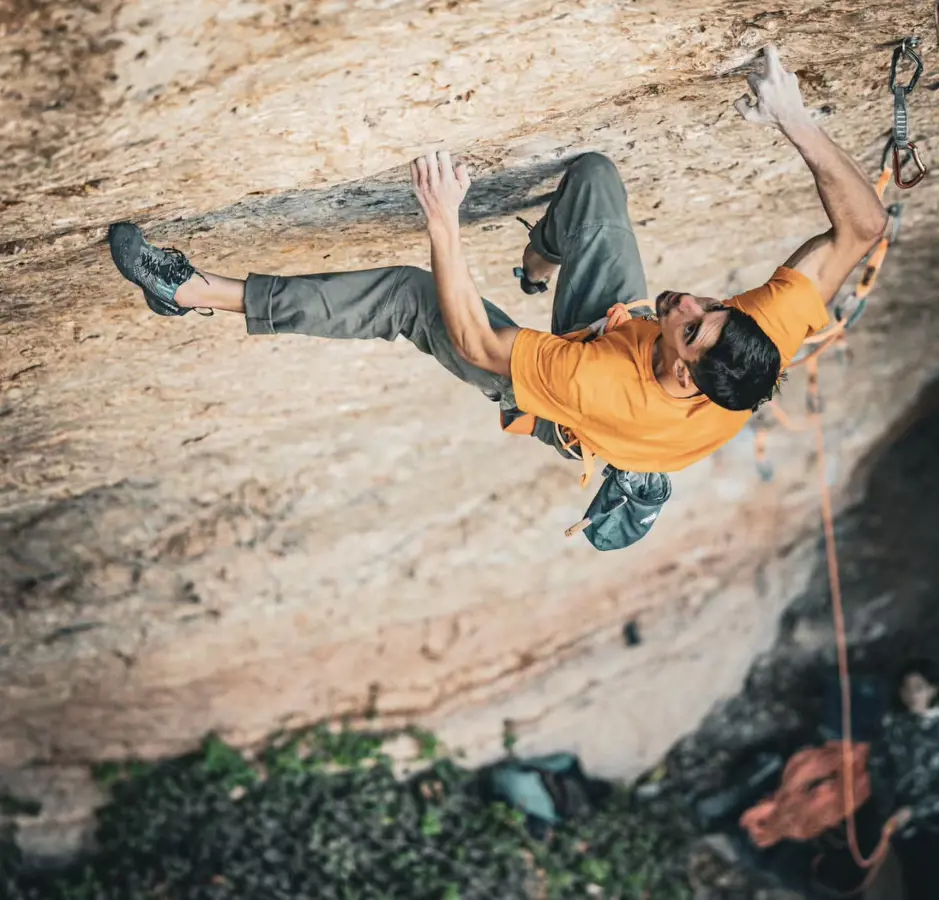
Jorge Diaz-Rullo reports on Instagram that he has made the first ascent of Cafe Colombia in Margalef. At 27, he’s already stacked four 9b+ sends and now he’s ad…
26 January 2026
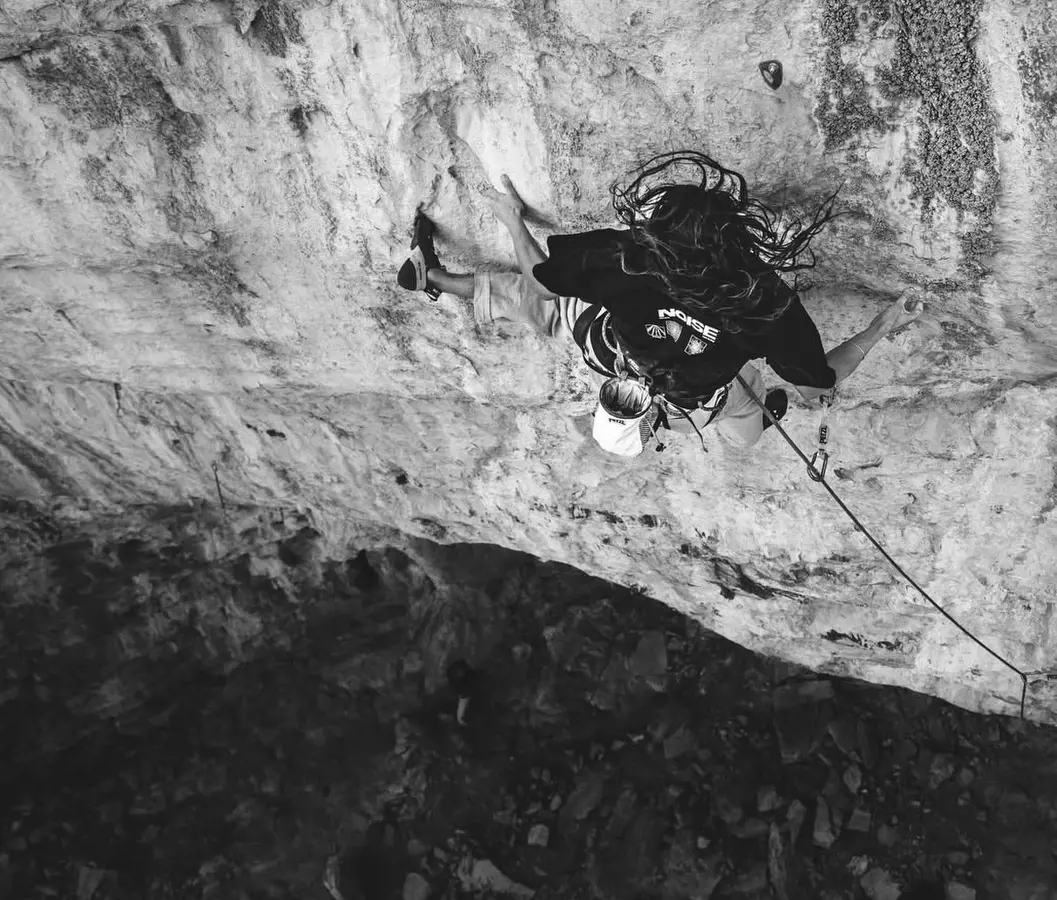
Sean Bailey FA’s Duality of Man (9c)
Sean Bailey reports on Instagram that he has done the first ascent of Duality of Man (9c) in Dry Canyon. ” After four total years and three seasons of climbing,…
23 March 2026
Jorge Diaz-Rullo proposes 9c for Café Colombia
Jorge Diaz-Rullo elaborates on the reasons for him to suggest 9c for Café Colombia on Instagram, which he took down last week after projecting it for 240 sessio…
Favorites
Jorge Diaz-Rullo reports on Instagram that he has made the first ascent of Cafe Colombia in Margalef. At 27, he’s already stacked four 9b+ sends and now he’s ad…
16 March 2026
Ondra flashes 3*8C in two weeks
”I stopped focusing on competition bouldering after last year’s World Cup in Prague, partly because I can already feel it on my body, especially in my shoulders. The modern competition style, with a lot of jumping from one hold to another, is very demanding for the shoulders.
Outdoor bouldering is…
26 January 2026
Sean Bailey FA’s Duality of Man (9c)
Sean Bailey reports on Instagram that he has done the first ascent of Duality of Man (9c) in Dry Canyon. ” After four total years and three seasons of climbing,…
Favorites
Jorge Diaz-Rullo reports on Instagram that he has made the first ascent of Cafe Colombia in Margalef. At 27, he’s already stacked four 9b+ sends and now he’s ad…
16 March 2026
Ondra flashes 3*8C in two weeks
”I stopped focusing on competition bouldering after last year’s World Cup in Prague, partly because I can already feel it on my body, especially in my shoulders. The modern competition style, with a lot of jumping from one hold to another, is very demanding for the shoulders.
Outdoor bouldering is…
26 January 2026
Sean Bailey FA’s Duality of Man (9c)
Sean Bailey reports on Instagram that he has done the first ascent of Duality of Man (9c) in Dry Canyon. ” After four total years and three seasons of climbing,…