

24 December 2021
Lena Müller and the ecological crises
Lena Marie Müller is currently doing a PhD at the University of Innsbruck about the effects of climate change on mountain ecosystems. In 2020, she became the first German woman to climb an 8b+ trad (E9/E10) by repeating the route “Prinzip Hoffnung”, which she mostly reached from Innsbruck by train. (c) Paul Lewandowski
What can the climbing community do to reduce their carbon footprint?
The carbon footprint for everyone, as well as us climbers, is composed of what we eat, our mobility, how we live (heating our house, electricity), and what we consume. So, to reduce our footprint we can address all those aspects. For example, we can change our diet to regional and organic products and consume little meat and dairy products. Further, we can change our mobility by reducing the time spent in the car/plane but instead use public transport and the bike. In our home, we can switch to sustainable, clean energy. Further, we can change the consumption to sustainable products and simply consume less. Another aspect is how we invest our money, here we can change to a greener bank.
Besides the changes we can implement in our personal lives, I think it is inevitable that we put pressure on politicians by collectively going to the streets and demanding climate action. Because ultimately, climate protection is a question of political will. Every one of us can join the climate movement and stand up for climate protection. On top of that, I think it’s important to spread awareness about our climate crisis. The more people know about the climate crisis, the more personal change will take place, and the more people we are to put pressure on politicians by striking and voting.
Do you know how to measure like one flight to Kalymnos compared to travelling to the crag, what is worse?
Roughly speaking, the same emissions are produced if one person flies to Kalymnos or the same person drives more than a hundred times to a crag which is 30km away. Hence, flying does have a huge impact. To put these emissions from travelling for climbing into perspective, I would like to introduce the concept of the “climate-friendly carbon footprint”. This footprint is in accordance with the Paris Agreement in 2015 with the target to limit global warming to 1.5°C by the end of this century. While we must acknowledge that is difficult to achieve this climate-friendly footprint, either flying to Kalymnos once a year or travelling to climbing by car for a year basically depletes the carbon available from our annual climate-friendly footprint. Hence, we have no emissions left for other carbon generating aspects in our lives (as mentioned above) if we want to live sustainably.
So basically, the thing we should tell the community, in regards to the climbing activity, is to travel less, especially by plane, commute and climb more locally.
Regarding our sport, I agree that emissions are mainly caused by how we travel for climbing, and what/how much we consume for it.
I guess everyone must decide this on her/his own. But it would make a big impact if we as a climbing community would step away from that much travel. That’s why we introduced the “ecopoint” – a term that describes climbing by public transport or bike. By giving this concept a name and reality, we hope to enhance sustainable climbing in the face of the climate crisis. More in her Insta
In the end, we must acknowledge that we live in a world where our actions affect people on the other side of the world or those who will be living at the end of the century. We are living from the CO2 budget of other people (to come). I think we must ask ourselves, how far we want to take our freedom. Being a climber often means we have a lot of freedom. The freedom of time, the freedom of resources, the freedom of doing something we love. So instead of defending this ecological exploitation under the guise of freedom - why not use some of our time and resources to reconsider how we can live more sustainably and be part of demanding political change?
Because the good news is, we still have the chance to stay below 1.5°C of global heating if we act now and we also have the means to achieve a brighter climate reality.
What can the climbing community do to reduce their carbon footprint?
The carbon footprint for everyone, as well as us climbers, is composed of what we eat, our mobility, how we live (heating our house, electricity), and what we consume. So, to reduce our footprint we can address all those aspects. For example, we can change our diet to regional and organic products and consume little meat and dairy products. Further, we can change our mobility by reducing the time spent in the car/plane but instead use public transport and the bike. In our home, we can switch to sustainable, clean energy. Further, we can change the consumption to sustainable products and simply consume less. Another aspect is how we invest our money, here we can change to a greener bank.
Besides the changes we can implement in our personal lives, I think it is inevitable that we put pressure on politicians by collectively going to the streets and demanding climate action. Because ultimately, climate protection is a question of political will. Every one of us can join the climate movement and stand up for climate protection. On top of that, I think it’s important to spread awareness about our climate crisis. The more people know about the climate crisis, the more personal change will take place, and the more people we are to put pressure on politicians by striking and voting.
Do you know how to measure like one flight to Kalymnos compared to travelling to the crag, what is worse?
Roughly speaking, the same emissions are produced if one person flies to Kalymnos or the same person drives more than a hundred times to a crag which is 30km away. Hence, flying does have a huge impact. To put these emissions from travelling for climbing into perspective, I would like to introduce the concept of the “climate-friendly carbon footprint”. This footprint is in accordance with the Paris Agreement in 2015 with the target to limit global warming to 1.5°C by the end of this century. While we must acknowledge that is difficult to achieve this climate-friendly footprint, either flying to Kalymnos once a year or travelling to climbing by car for a year basically depletes the carbon available from our annual climate-friendly footprint. Hence, we have no emissions left for other carbon generating aspects in our lives (as mentioned above) if we want to live sustainably.
So basically, the thing we should tell the community, in regards to the climbing activity, is to travel less, especially by plane, commute and climb more locally.
Regarding our sport, I agree that emissions are mainly caused by how we travel for climbing, and what/how much we consume for it.
I guess everyone must decide this on her/his own. But it would make a big impact if we as a climbing community would step away from that much travel. That’s why we introduced the “ecopoint” – a term that describes climbing by public transport or bike. By giving this concept a name and reality, we hope to enhance sustainable climbing in the face of the climate crisis. More in her Insta
In the end, we must acknowledge that we live in a world where our actions affect people on the other side of the world or those who will be living at the end of the century. We are living from the CO2 budget of other people (to come). I think we must ask ourselves, how far we want to take our freedom. Being a climber often means we have a lot of freedom. The freedom of time, the freedom of resources, the freedom of doing something we love. So instead of defending this ecological exploitation under the guise of freedom - why not use some of our time and resources to reconsider how we can live more sustainably and be part of demanding political change?
Because the good news is, we still have the chance to stay below 1.5°C of global heating if we act now and we also have the means to achieve a brighter climate reality.
42 comments
Sort by:
Date
Reply
Most commented
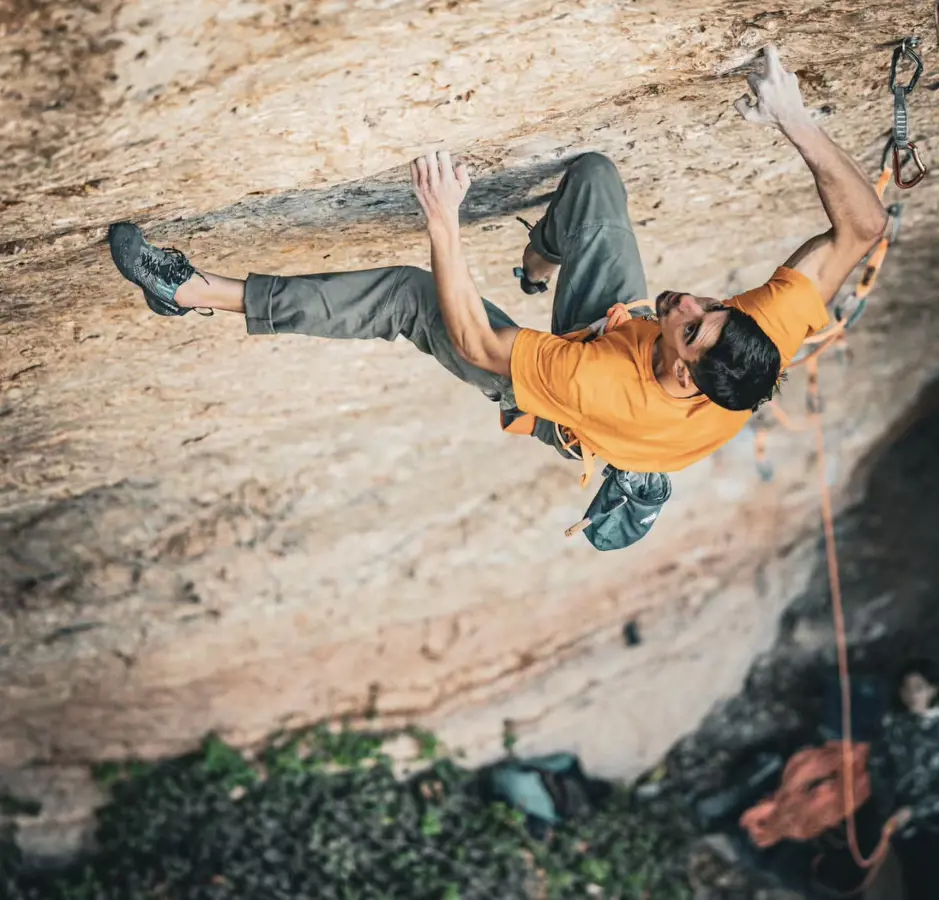
Jorge Diaz-Rullo reports on Instagram that he has made the first ascent of Cafe Colombia in Margalef. At 27, he’s already stacked four 9b+ sends and now he’s ad…
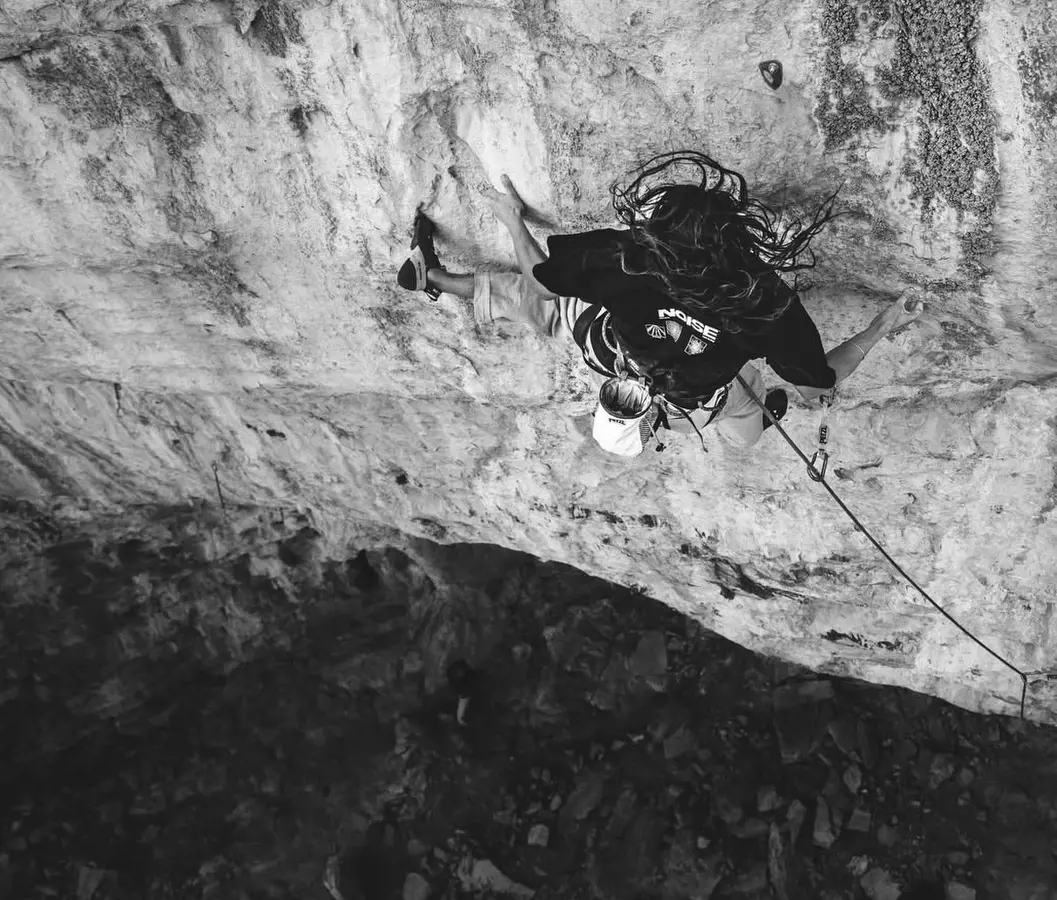
26 January 2026
Sean Bailey FA’s Duality of Man (9c)
Sean Bailey reports on Instagram that he has done the first ascent of Duality of Man (9c) in Dry Canyon. ” After four total years and three seasons of climbing,…
23 March 2026
Jorge Diaz-Rullo proposes 9c for Café Colombia
Jorge Diaz-Rullo elaborates on the reasons for him to suggest 9c for Café Colombia on Instagram, which he took down last week after projecting it for 240 sessio…
Favorites
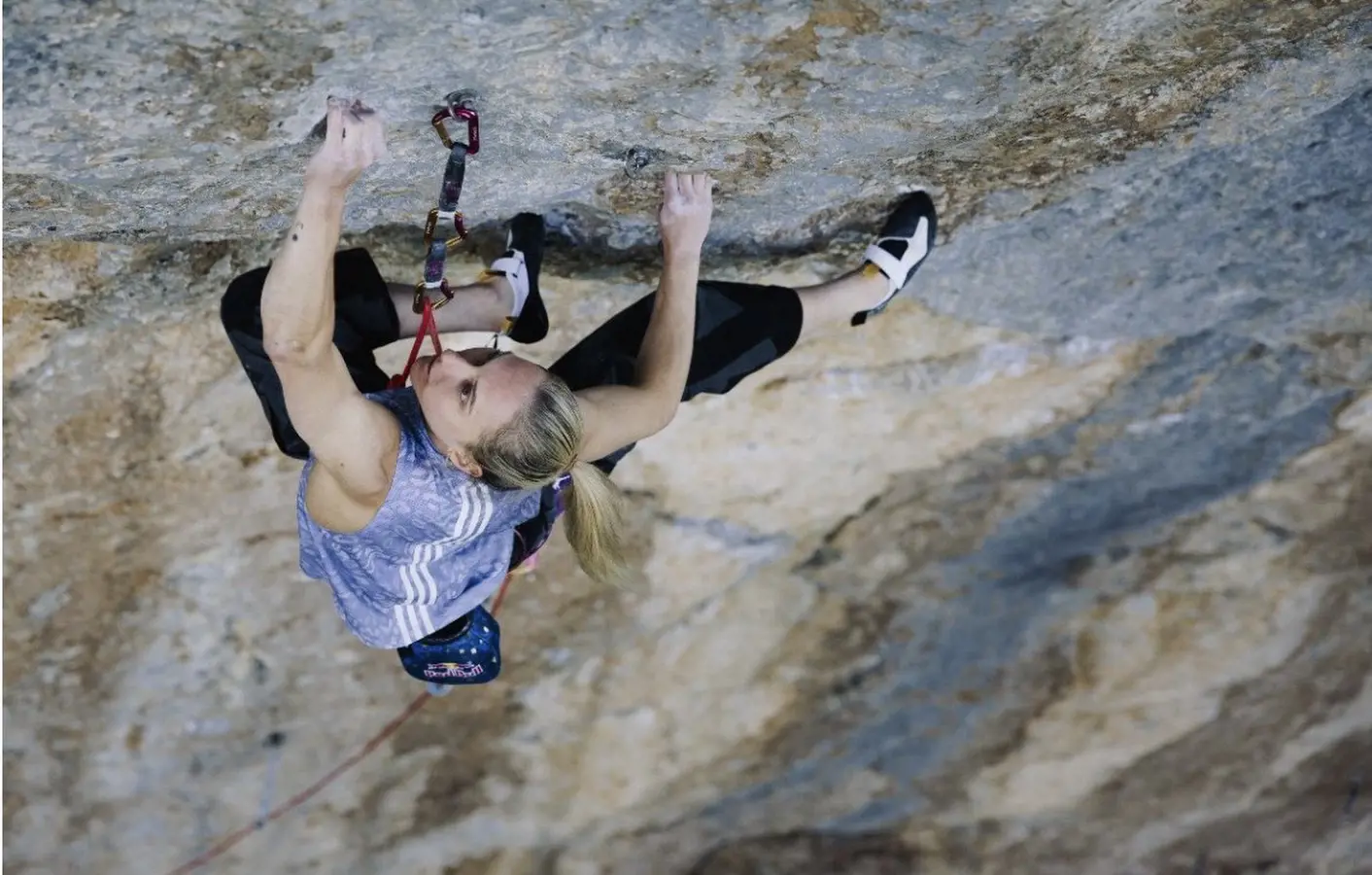
8 June 2026
Janja Garnbret does Bibliographie (9b+)
Janja Garnbret has added another milestone to her remarkable climbing career by becoming the first woman to climb Bibliographie (9b+) in Céüse, one of the harde…
Jorge Diaz-Rullo reports on Instagram that he has made the first ascent of Cafe Colombia in Margalef. At 27, he’s already stacked four 9b+ sends and now he’s ad…
16 March 2026
Ondra flashes 3*8C in two weeks
”I stopped focusing on competition bouldering after last year’s World Cup in Prague, partly because I can already feel it on my body, especially in my shoulders. The modern competition style, with a lot of jumping from one hold to another, is very demanding for the shoulders.
Outdoor bouldering is…
Favorites
8 June 2026
Janja Garnbret does Bibliographie (9b+)
Janja Garnbret has added another milestone to her remarkable climbing career by becoming the first woman to climb Bibliographie (9b+) in Céüse, one of the harde…
Jorge Diaz-Rullo reports on Instagram that he has made the first ascent of Cafe Colombia in Margalef. At 27, he’s already stacked four 9b+ sends and now he’s ad…
16 March 2026
Ondra flashes 3*8C in two weeks
”I stopped focusing on competition bouldering after last year’s World Cup in Prague, partly because I can already feel it on my body, especially in my shoulders. The modern competition style, with a lot of jumping from one hold to another, is very demanding for the shoulders.
Outdoor bouldering is…