
26 January 2022
Faster and more exciting boulder format
As there are some discussions within the IFSC on how to make the bouldering format faster and more exciting, here is an update of some suggestions I have forwarded during the last 15 years. As of today, a bouldering final often takes 90 minutes although there are no breaks and there are just six athletes in the final. The idea is to have 8 finalists and this would mean a two hours event with today's format. At the same time, there are often long sequences with no action as the boulders are too hard and, furthermore, in the end, sometimes there is no drama as the winner has been decided before the last boulder.
Having eight finalists is clearly better also from the point of view that more nations will have competitors in the final. As it stands, sometimes there are just males from japan plus two more climbers in the final. More finalists also increase the possibility that more climbers will battle for the win on the last boulder.
The easiest format change to make it faster and more exciting is simply to have two competitors climb simultaneously on the first two boulders. You can let new climbers start as soon as one boulder is topped today. Alternatively, you can rotate with a fixed four-minute schedule, with a two-minute initial separation. This would mean that all eight finalists have done the two first problems after around 24-34 minutes.
Then there could be a short break of six minutes or so, and one climber is eliminated before boulder #3.
On boulder #3, the seven remaining competitors climb in a row and then one more is eliminated before boulder four. This would mean that the final would take around 70-90 minutes. This can be compared with the around 100-120 minutes with the current format.
There are of course more options, like starting on the first three boulders at the same time. This would reduce time, but it might just be too much action. The fastest format would be to eliminate two competitors before the last two boulders and continue with two climbers also on these boulders. Such a format would just take 50-70 minutes. It should be noted that also the duration of the qualification and the semi could be shortened by some 30 minutes if you start with climbers on all boulders directly from the start.
Having eight finalists is clearly better also from the point of view that more nations will have competitors in the final. As it stands, sometimes there are just males from japan plus two more climbers in the final. More finalists also increase the possibility that more climbers will battle for the win on the last boulder.
The easiest format change to make it faster and more exciting is simply to have two competitors climb simultaneously on the first two boulders. You can let new climbers start as soon as one boulder is topped today. Alternatively, you can rotate with a fixed four-minute schedule, with a two-minute initial separation. This would mean that all eight finalists have done the two first problems after around 24-34 minutes.
Then there could be a short break of six minutes or so, and one climber is eliminated before boulder #3.
On boulder #3, the seven remaining competitors climb in a row and then one more is eliminated before boulder four. This would mean that the final would take around 70-90 minutes. This can be compared with the around 100-120 minutes with the current format.
There are of course more options, like starting on the first three boulders at the same time. This would reduce time, but it might just be too much action. The fastest format would be to eliminate two competitors before the last two boulders and continue with two climbers also on these boulders. Such a format would just take 50-70 minutes. It should be noted that also the duration of the qualification and the semi could be shortened by some 30 minutes if you start with climbers on all boulders directly from the start.
6 comments
Sort by:
Date
Reply
Most commented
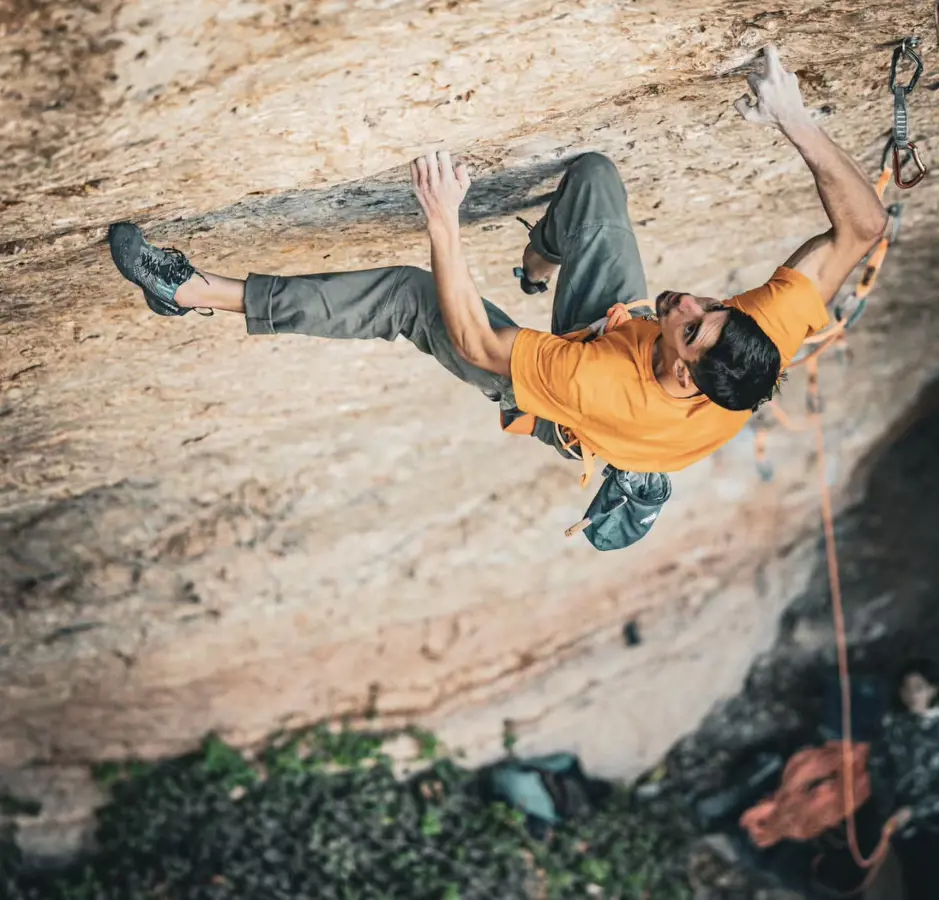
Jorge Diaz-Rullo reports on Instagram that he has made the first ascent of Cafe Colombia in Margalef. At 27, he’s already stacked four 9b+ sends and now he’s ad…
26 January 2026
Sean Bailey FA’s Duality of Man (9c)
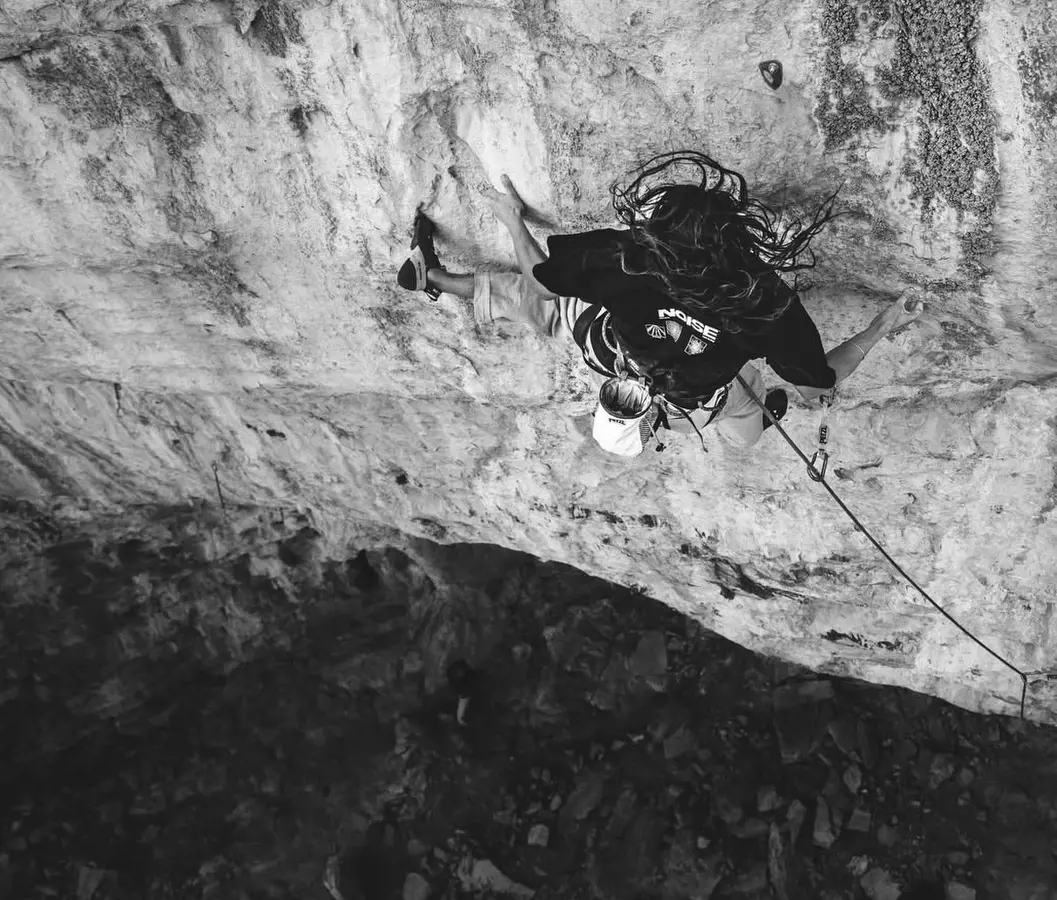
Sean Bailey reports on Instagram that he has done the first ascent of Duality of Man (9c) in Dry Canyon. ” After four total years and three seasons of climbing,…
23 March 2026
Jorge Diaz-Rullo proposes 9c for Café Colombia
Jorge Diaz-Rullo elaborates on the reasons for him to suggest 9c for Café Colombia on Instagram, which he took down last week after projecting it for 240 sessio…
Favorites
8 June 2026
Janja Garnbret does Bibliographie (9b+)
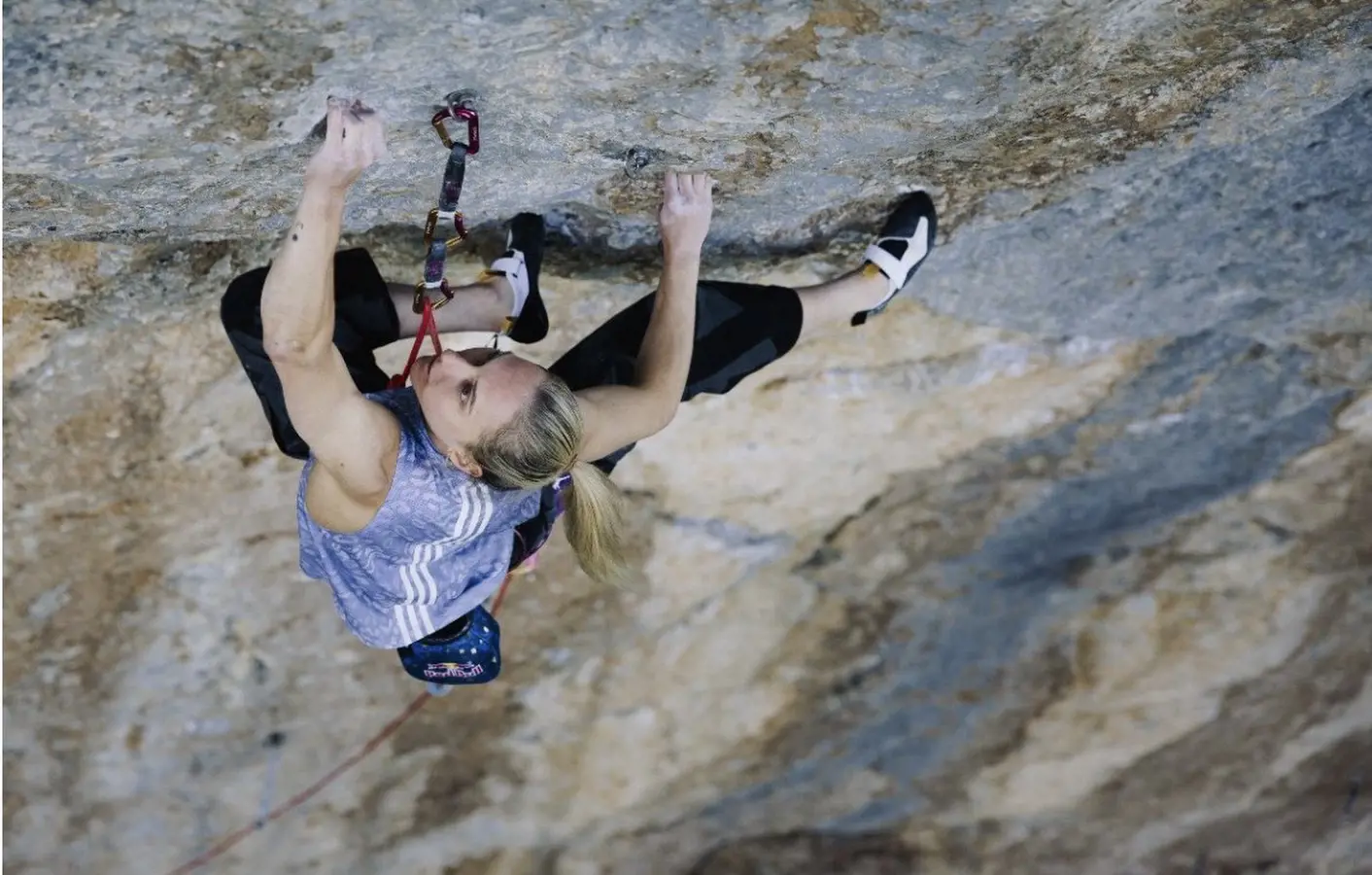
Janja Garnbret has added another milestone to her remarkable climbing career by becoming the first woman to climb Bibliographie (9b+) in Céüse, one of the harde…
Jorge Diaz-Rullo reports on Instagram that he has made the first ascent of Cafe Colombia in Margalef. At 27, he’s already stacked four 9b+ sends and now he’s ad…
16 March 2026
Ondra flashes 3*8C in two weeks
”I stopped focusing on competition bouldering after last year’s World Cup in Prague, partly because I can already feel it on my body, especially in my shoulders. The modern competition style, with a lot of jumping from one hold to another, is very demanding for the shoulders.
Outdoor bouldering is…
Favorites
8 June 2026
Janja Garnbret does Bibliographie (9b+)
Janja Garnbret has added another milestone to her remarkable climbing career by becoming the first woman to climb Bibliographie (9b+) in Céüse, one of the harde…
Jorge Diaz-Rullo reports on Instagram that he has made the first ascent of Cafe Colombia in Margalef. At 27, he’s already stacked four 9b+ sends and now he’s ad…
16 March 2026
Ondra flashes 3*8C in two weeks
”I stopped focusing on competition bouldering after last year’s World Cup in Prague, partly because I can already feel it on my body, especially in my shoulders. The modern competition style, with a lot of jumping from one hold to another, is very demanding for the shoulders.
Outdoor bouldering is…