NEWS

The male final in Munich started with a great flash by Gregor Vezonik. Then it took more than 28 minutes until any athlete could do one move from the starting holds! Imagine this would have been the in Tokyo 2020. No action or excitement for 28 minutes. Millions of non-climbing viewers around the globe would have just left their screens and shaking their heads. The remaining might have thought it was pretty strange that Vezonik had secured the victory even if his five opponents had not even tried the last boulder. One simple solution for more action can be to let the finalists start in two groups on the first two boulders. This will also create more fair conditions and mental pressure. Then we can let them go for the third boulder. Before the last boulder, there can be a 10 min break and then we let the Top-6 start in reversed order, which will guarantee action until the last climbers is out. Main advantages of two starting groups in the final 1. More action and less dead moments. 2. More athletes will increase the interest around the globe. 3. More drama in the end of the competition. 4. Fairness due to more similar conditions (friction) and pressure. Another advantage for such format change is that more athletes will get more training and enjoyment challenging the four final boulders. This would create great impact also on the national, local and youth level. One option to increase all these five factors and add a sixth one could be to let nine athletes rotate on the first three boulders. If so, the total time of a final would be reduced from around 96 minutes to 70 minutes.

8B+ and much more by Moritz Welt (17)
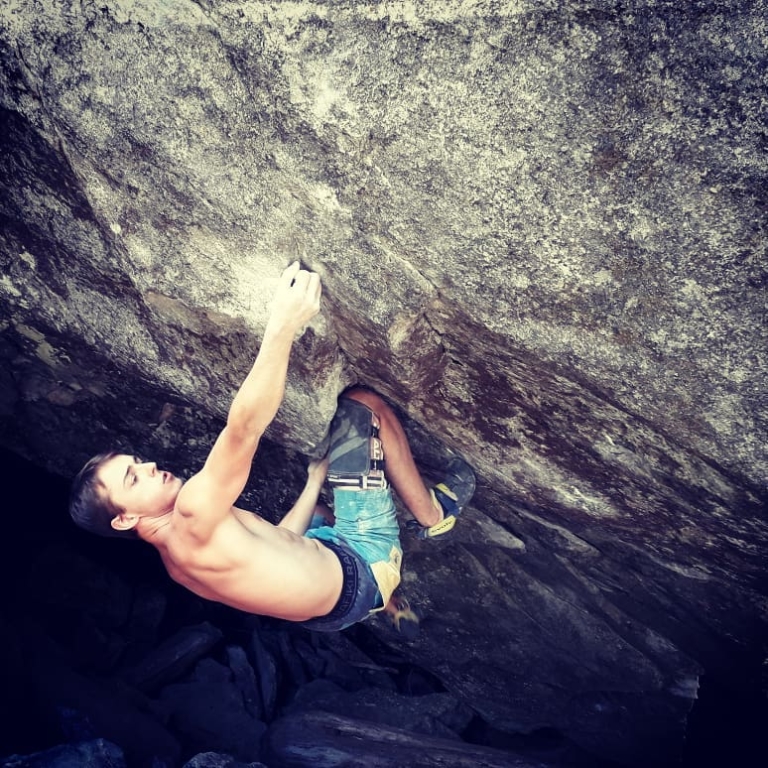
Moritz Welt has done his second 8B+, The Source in Malatal. "First I thought this can't be so much harder than the stand, then it became a real battle. Today it finally went down on the second go of my third session! Perfect line and perfect conditions today!" During the last two weeks, the 17-year-old has also done four other 8A+'. During the summer the German has also done seven routes 8b+ tom 8c+. In the senior Combined ranking game he is #3.

Janja Garnbret and her amazing IFSC track record
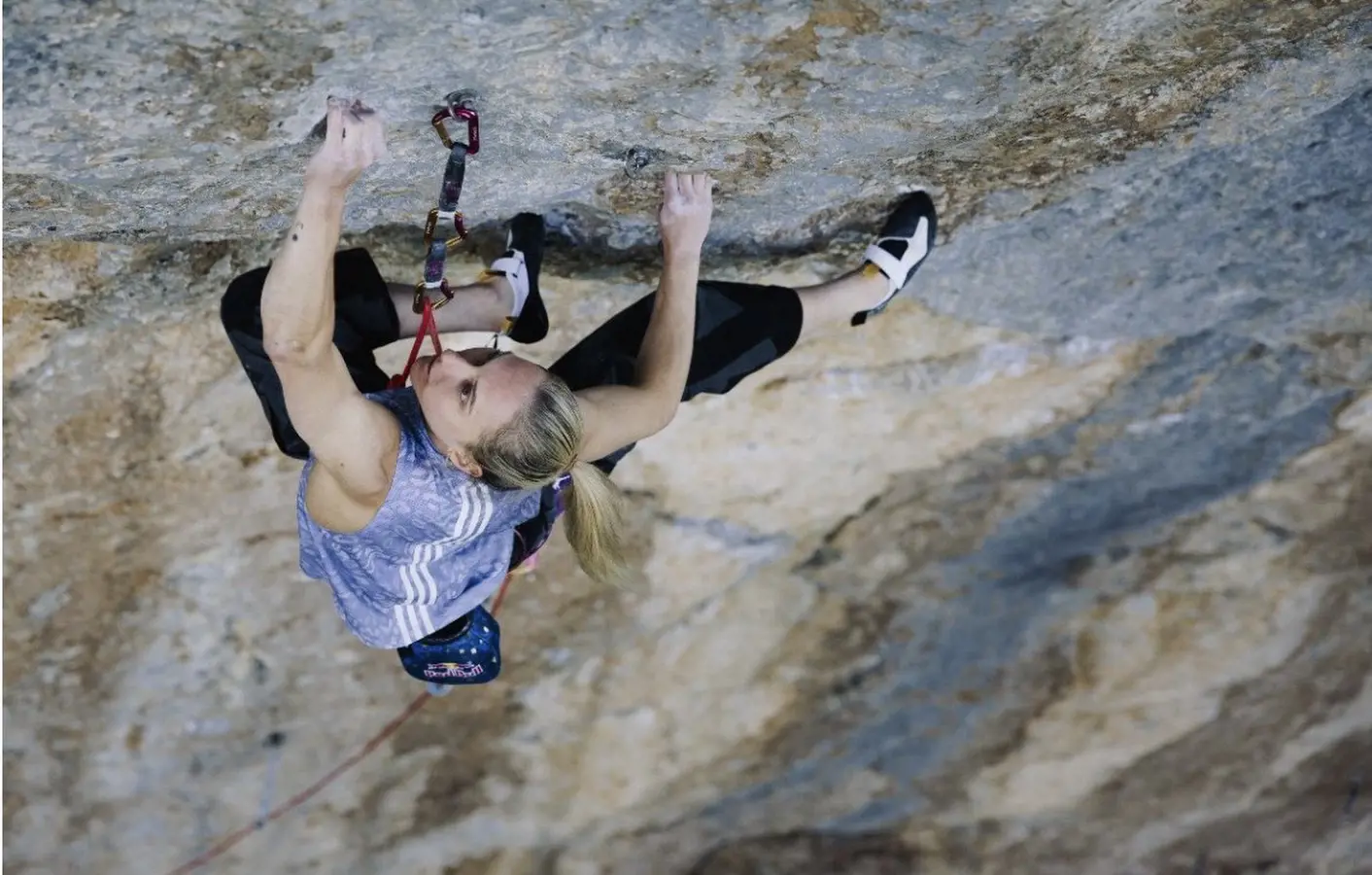
During the last 19 IFSC World Cups and Championships Janja Garnbret has participated in, she has won twelve and never missed the podium. The 19 year old was allowed to start competing in the World Cup in 2015 and out of 22 Lead events, she has won twelve and missed the podium once. In bouldering she started the World Cup circuit in 2016 and she has more or less just competed in half of the events out of which she has won close to 50 %. In two weeks time, she is a very big favorite to defend her Lead World Champion title from Paris in 2016 and also the favorite for the Boulder Championship. Once these two titles are secured, one could say that the teenager is the best female competition climber in the history. (c) Eddie Fowke

Vezonik fairy tale with opposite approach to Kruder - <b>Republished from May!
gregor vezonik was on average #30 in the Boulder World Cups the last two years. In 2018, he started out by being #53. Later and suddenly, the Slovenian has being #3 two times this year. Normally his roomie is Jernej Kruder who leads the World Cup. Interesting they have totally different approach focusing on rock respective plastic. What they seem to share is very low focus on the results, instead it is about just making it to the next round so they can have fun on more spectacular boulders. How have you been able to fight so long with not so very good results and how can you explain the recent success? Travelling with some of the best friends. I had a dream and somewhere in the back I guess i believed itโ€™s gonna happen. Itโ€™s also not so hard if you have the support of the people closest to you. Climbing just feels good. Trying hard or slopers, flying on crazy triple dynos or balancing in slabs is just good. Of course sometimes it feels better and itโ€™s easier to enjoy good results but even when you donโ€™t feel the best or donโ€™t make the best result.. itโ€™s just fun. I think there isnโ€™t a single explanation for this years success. I might be training just a bit more and doing loads of things just a bit better (like food, sleep, stretching...) but overall I think some things just need time. The most important is not giving up. I normally train six times a week, 3-4 hours per session. I have a specific training plan made with my coach Roman Krajnik and I don't really want to talk about it. It's mostly just a lot of climbing.

Allrounder Kruder secures the overall Boulder title in the semi
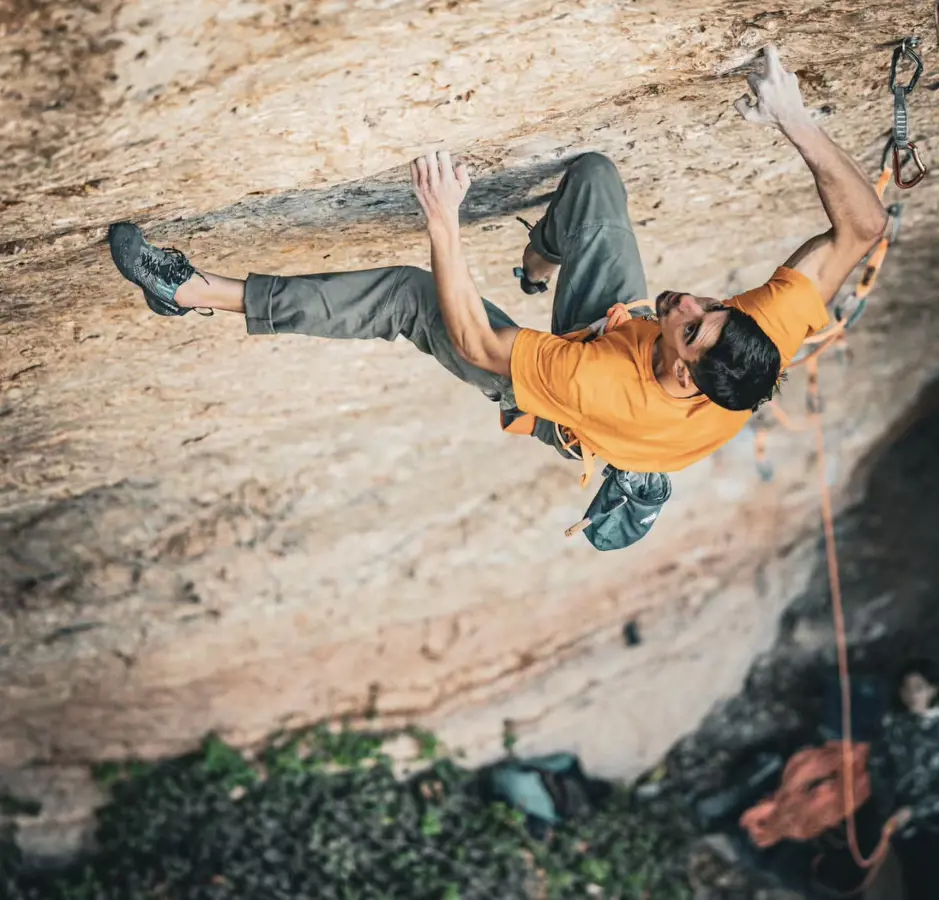
Jernej Kruder is the Boulder World Cup winner 2018 as he made it to the final in Munich at the same time as Tomoa Narasaki ended #9. Interestingly, the Slovenian says he seldom trains indoors and instead he is an outdoor allrounder doing everything also multi-pitches. In the 8a Combined ranking game, the 28 year old is #7 and he is going for Tokyo 2020. (c) Eddie Fowke On his Instagram he reported that during the last week he did a 300 m as well as an 8c sport route. During the last weeks he has also been climbing in Cรฉรผse and competed in a DWS as well as in the Lead and Speed WC in Chamonix.

Yuji Fujiwaki, who never has made it to the final, won the semi by being the only one to top all four boulders. Also in the qually, the Japanese was the only one to top all problems. Among the female, Janja Garnbret and Fanny Gibert were tied winners. Both Japan and Slovenia did get two male and two female into the final. In total Japan got 5 female Top-11 and 6 male Top-9. Complete results

Garnbret wins but Nonaka is the champion
The overall world cup 2018 was decided on the last boulder when Akiyo Noguchi flashed to put pressure on Miho Nonaka. She also flashed, secured the overall title, and actually starting cry holding the last top. Then Janja Garnbret made her fourth flash in a row to win the competition. This was as exciting and thrilling as it can get. These three girls have been totally superior in 2018 and their worst result were third. Complete results (c) Heiko Wilhelm

Slovenian dominance  in Munich
In a rather strange final were all boulders were topped but were most actually had very hard time to move from the start holds on the three first boulders. We saw a nice happy ending with five tops in just six tries on the last boulder and two very popular Slovenians on top. (c) Heiko Wilhelm - Innsbruck 2018 Gregor Vezonik was #50 in the WC 2017 and started out in the same level in 2018 by being #51 in Meiringen. Then in Moscow something kicked in and he was #3 in Moscow and overall in 2018 he ended #5. The overall winner 2018 Jernej Kruder also from Slovenia has a similar story but at a much higher level. In between 2010 and 2017, he has always been in between #8 and 31 overall before winning in great style 2018. Interesting is that Gregor and Jernej have almost opposite approach when it comes to training and climbing focus. Jernej is almost not training indoors at all and instead he enjoys all disciplines including trad and multipitches. Gregor on the other hand has a structured approach mainly focusing on indoor bouldering. 1. Gregor Vezonik 24 SLO 2. Jernej Kruder 23 (9/7) SLO 3. Jakob Schubert 23 (9/11) AUT Complete results